 Sustainability in the business events industry was once narrowly associated with actions such as recycling bins and reducing paper use. Today, the dialogue has evolved into a far more comprehensive and strategic approach.
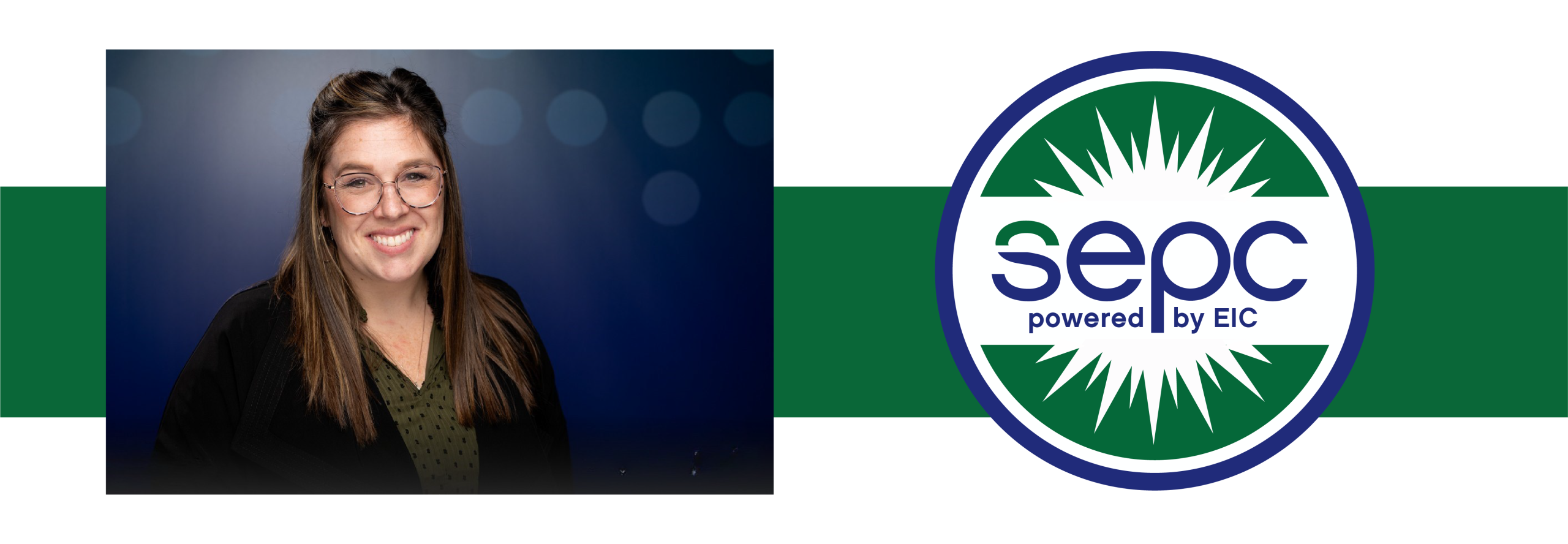
Catalyst recently spoke with Kate Hernandez, CMP, Director of Strategic Events, Meetings & Incentives at MCI, who recently about how the SEPC course expanded her perspective—shaping a vision of event design to deliver lasting value for people, communities, and the planet.
“When I began the SEPC course, my understanding of sustainability was quite limited and mainly focused on recycling and reducing paper use,” she said. “I now have a much deeper and more holistic view of sustainability. I’ve learned how every aspect of an event — from planning to execution — can be thoughtfully adjusted to minimize negative impacts on both the local community and the planet.
She says the SEPC course also provided her with “a comprehensive action plan, highlighting key considerations throughout each stage of the planning process.”
Here’s more of what Kate shared:
The Ripple Effect of Sustainable Events
“Event professionals can influence a broader impact on supply chains and local communities by advocating for sustainability and setting industry standards,” Kate said. “As sustainability becomes increasingly important, I believe we’ll see more formal standards emerge, but the shift can begin with what clients and event professionals demand. Updating RFPs and contracts to prioritize low-emission products, waste-reducing solutions, and venues with sustainability practices in place, along with methods to track progress, is a strong starting point.”
Food and Beverage as the Immediate Opportunity
“As a planner, I see the most immediate opportunity for sustainable impact in the food and beverage aspects of my events,” she said. “Educating stakeholders on how meals are served and disposed of, understanding the supply chain that brings food to the venue, and being intentional about the types of food selected all offer a clear path toward more sustainable practices. By asking the right questions and thinking creatively, we can design menus that highlight local cuisine—supporting the community while also aligning with sustainability goals.”
Collaboration as a Catalyst for Change
Kate stresses that no single stakeholder can drive change alone. “Collaboration is essential to building a more thoughtful and sustainable industry. Organizers, partners, and attendees must be transparent about their goals and the rationale behind significant program changes. This openness helps foster understanding and encourages others to adopt similar practices. practices.”
Education as the Driver of Progress
“Programmes like the SEPC play a vital role in accelerating the transformation of the events industry by equipping professionals with the knowledge and tools needed to drive meaningful change” she said. “As our industry continues to evolve, it’s essential for leaders to stay informed. Not only about current best practices but also about emerging trends and the next wave of innovation. By investing in education for themselves and their teams, event professionals can proactively shape the future of sustainable events and lead the way in setting new standards.”
About the Sustainable Events Professional Certificate (SEPC)
Developed by a global network of business‑events leaders and sustainability experts, the SEPC is a comprehensive online certificate programme launched by the Events Industry Council in 2022. Designed for event professionals at all levels, the interactive course provides the knowledge and tools required to embed sustainability and social impact into event planning and execution.
Over 16 guided modules—ranging from carbon management to sustainability frameworks, and community engagement—participants learn to design compelling, responsible events. The program includes a digital workbook and personalized roadmap, earning 12 Continuing Education credits recognized for CMP or CAE qualification.