
If there’s one acronym dominating conversations in our industry right now, it’s ESG—Environmental, Social, and Governance. What started as a sustainability conversation has evolved into a holistic framework that touches every aspect of event planning. It’s no longer about checking a box; it’s about creating experiences that reflect values, deliver measurable impact, and foster lasting change.
And the data tells us this isn’t optional. According to EIC’s Future’s Landscape Report, 73–85% of global respondents believe companies don’t pay enough attention to the environment, and 60–77% expect business leaders to speak out on social and political issues. That expectation is shaping how we design events today.
One of the most exciting developments is predictive ESG planning. Instead of waiting until an event is over to measure its footprint, planners are using AI and analytics to forecast impact before decisions are made. This proactive approach means we can choose venues, menus, and travel strategies that align with ESG goals from the start.
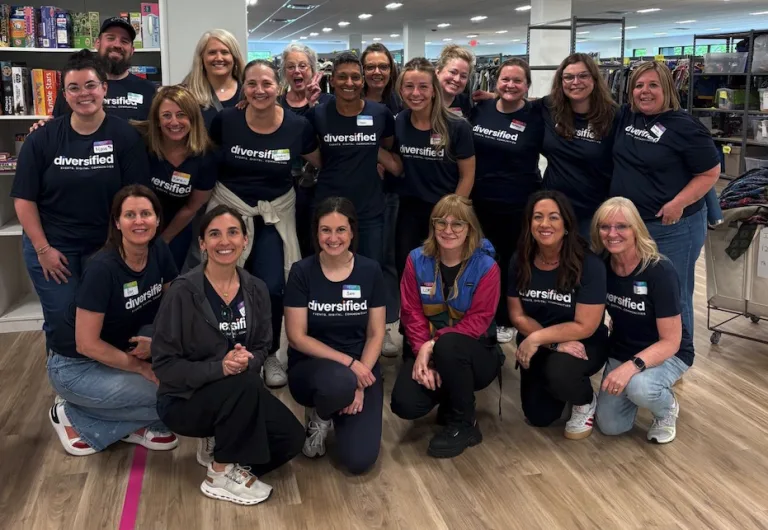
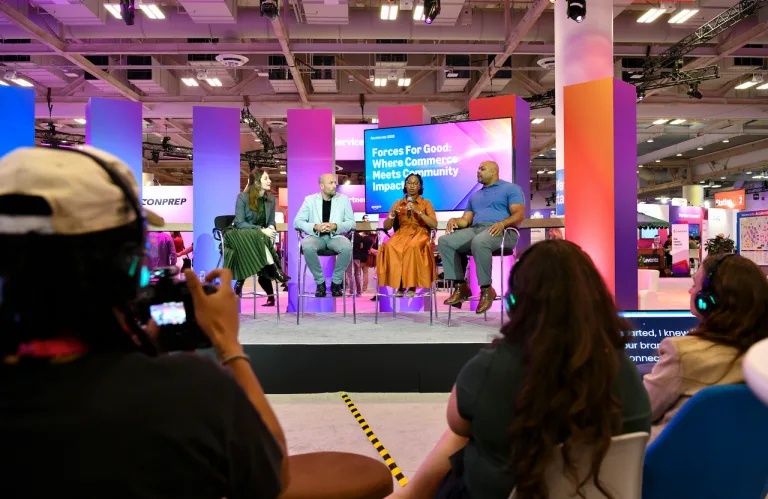
Another shift is the rise of community impact alignment. Events are no longer one-off experiences; they’re opportunities to create meaningful change. Whether it’s partnering with local nonprofits or sourcing from small businesses, planners are embedding social impact into their strategies. This matters because stakeholders increasingly expect events to contribute positively to the communities they touch.
Transparency is also taking center stage. 84% of companies still don’t monitor their full supply chain*, which means planners have a unique role to play in demanding accountability. Supplier vetting for ethical sourcing, fair wages, and diversity commitments is becoming a standard part of the planning process.
Social impact metrics—like accessibility and representation—are also gaining traction. EIC’s Future’s Landscape Report shows that only 39–61% of respondents feel ethnic minorities are treated fairly, underscoring why inclusion and accessibility need to be measured alongside environmental goals.

On the environmental front, circular event design is emerging as a powerful solution. Modular builds, reusable décor, and zero-waste catering aren’t just good for the planet—they’re good for business. With 73–85% of global respondents calling for stronger environmental action*, these strategies resonate with attendees and sponsors alike.
Digital sustainability is becoming a critical part of ESG accountability. As hybrid and virtual formats grow, we’re learning that digital events aren’t automatically green. Cutting air travel – which accounts for 70–80% of an event’s carbon footprint*—is a big win, but streaming and data center emissions still matter. That’s why understanding and measuring digital impact is the next step in making sure our events truly reflect the values we stand for.
Action Steps for Planners
- Start with data: Use ESG forecasting tools like Green Event Tool (GET) Carbon Footprint Calculator to predict impact before making decisions. The Green Events Tool (GET) helps planners design eco-friendly events by measuring environmental impacts across every detail—from transportation and lodging to catering and energy use. It offers a holistic approach to reducing carbon footprints and identifying smarter, more sustainable choices.
- Choose partners wisely: Select venues and suppliers with strong ESG credentials and transparent practices.
- Design for reuse: Incorporate modular builds and rental options to reduce waste.
- Measure social impact: Track accessibility, inclusion, and local hiring alongside environmental metrics.
- Communicate your story: Share ESG goals and results with stakeholders to build trust and engagement.
Every meeting and event is an opportunity to create experiences that are memorable and purposeful. By embedding ESG into the planning process, we’re shaping events that reflect our clients’ values and leave a positive impact on communities.
— Meredith Flanagan, Director, Meetings and Events, Gensler
* Source: Events Industry Council. (2025 March 21). Futures Landscape Report 2025. Washington, DC: Events Industry Council.

Meredith Flannagan, CMP Fellow, CMM, is an accomplished meetings and events leader with more than 20 years of experience delivering high-impact corporate and experiential events across global organisations. She currently serves as Director of Meetings & Events at Gensler and is an active member of EIC’s Sustainability and Social Impact Committee, where she helps advance inclusive and sustainable event practices worldwide.