Destination Canada has taken a bold step toward embedding sustainability at the heart of its business events strategy. To date, 65 Canadians — including representatives from 21 Team Canada Partners and seven members of the Destination Canada team — have earned the Sustainable Event Professional Certificate (SEPC). This collective achievement reflects an intentional commitment to leading by example and equipping the industry with the expertise to deliver measurable sustainability outcomes.
Why SEPC?
According to Virginie De Visscher, Executive Director of Business Events at Destination Canada, the SEPC was chosen because it offers a globally recognised training programme created specifically for the events industry. Its 16 modules provide both a robust foundation and practical tools, culminating in a capstone project that ensures participants can apply their knowledge to real-world situations. “SEPC also aligns with our broader goals: to lead by example, support our destination partners, and contribute to a more regenerative and resilient global events industry,” says De Visscher.
Building a Common Language
The programme has already generated value by creating a shared sustainability framework across the team — a crucial step for cross-functional collaboration and stakeholder engagement. The flexibility of the self-paced format enabled participants across Canada to balance individual learning with team-based capstone projects. Graduates now carry personal certifications that add credibility to their expertise, and sustainability knowledge has been expanded across Canada’s business events sector.
From Learning to Action
While many team members have only just completed the training, the potential for impact is already evident. De Visscher herself experienced this first-hand when her SEPC capstone project became the early draft of Destination Canada’s National Business Events Sustainability Plan. What began as coursework evolved into a national strategy — demonstrating the programme’s ability to inspire transformative outcomes.
Paving the Way: Canadian Business Events Sustainability Plan
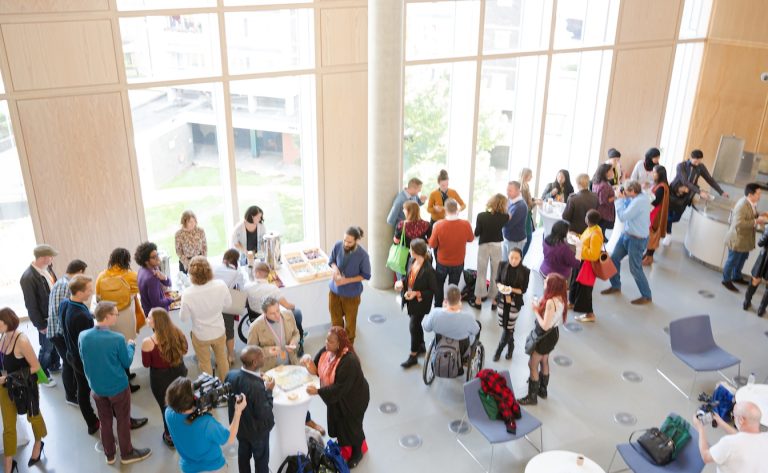
In April, Destination Canada gathered industry leaders for the first Sustainability Roundtable in Montréal—an important step in the Canadian Business Events Sustainability Plan. Together, the group examined current challenges, shared lessons from their own experiences, and proposed actionable solutions to shape the future of the events industry.
Key insights included:
- Redefining event success to include sustainability metrics
- Recognizing the perceived lack of immediate benefits from sustainable practices
- Addressing the lack of urgency around incorporating sustainable initiatives
- Challenging the perception that sustainability costs more and reduces ROI
- Tackling the erosion of trust due to greenwashing, stifling innovation
- Bridging cultural and generational gaps in sustainability knowledge
Watch the video for a behind-the-scenes look at this milestone event
Read the full report for details of actionable sustainability solutions
Sustainability in Action: Environmental Stories
Across Canada, convention centres are implementing practical solutions to reduce emissions, conserve resources, and minimise waste. The following examples highlight how venues are integrating renewable energy and zero-waste initiatives into their event operations.

Solar Powered Meetings
Calgary receives more sunshine hours annually than any other major Canadian city. This presents an incredible opportunity to transform the sunshine into a useable source of power.
The Calgary TELUS Convention Centre (CTCC) has a 10 kilowatt solar array on the roof of its North Building that generates power for the meetings and conventions within the facility. This innovative solar installation generates approximately 14,000 kilowatt hours of power annually, which offsets the CTCC’s emissions by about 11 tons each year. The CTCC has been committed to environmental stewardship and has been a leader in sustainability for more than 25 years.
CTCC’s solar installation is part of an integrated approach to responsibly managing resources for events, reducing greenhouse gas emissions by implementing efficiency and mitigation solutions for energy. By reducing its carbon footprint and offsetting emissions, the CTCC can help you reduce your event’s environmental impact.
Road to Zero Waste
The zero-waste program in place at the Edmonton EXPO Centre and Edmonton Convention Centre aims to divert 90% of waste from landfill. The unique program offers customisable bins, guidelines for attendees and exhibitors, and staff support for proper recycling and sorting. This program is part of a broader zero-waste initiative that also promotes reusable items, encourages bringing water bottles, installs hand dryers and uses compostable single-use items.
The events industry generates significant waste, but these zero-waste programs help create sustainable processes and innovative environmental solutions, advancing Edmonton’s sustainability. In 2023, the program diverted 583,667 kg of waste from landfill through donation, reuse, recycling and composting, reducing the environmental footprint and promoting a cleaner, healthier community. The Edmonton EXPO Centre and the Edmonton Convention Centre’s zero-waste programs help event organisers address the increasing demand for sustainable practices and waste reduction at business events.
Advice for Future Participants
De Visscher encourages organisations and individuals to approach the SEPC with intentionality:
- Take time to reflect on each module rather than rushing through the material.
- Treat the capstone project as a strategic opportunity to apply learning to meaningful work.
- Whenever possible, collaborate as a team to amplify insights and translate them into actionable strategies.
The Power of Collaboration
Sustainability can often feel daunting, but Destination Canada’s experience highlights the importance of collective effort. By sharing its Business Events Sustainability Plan openly, the organisation hopes to empower others to accelerate their own journeys. “Canada’s strength lies in its openness,” notes De Visscher. “By sharing our journey, we can help others advance theirs.”
With sustainability expertise now embedded across its network, Destination Canada is not only strengthening its own practices but also shaping a more regenerative future for the global business events industry.