 As the global business events sector responds to rising sustainability expectations, venues are increasingly challenged to address one of the sectors’ most persistent blind spots: operational waste and on-site energy use. While carbon reduction strategies often focus on travel or temporary event infrastructure, long-term impact increasingly depends on how venues rethink the systems that power events every day.
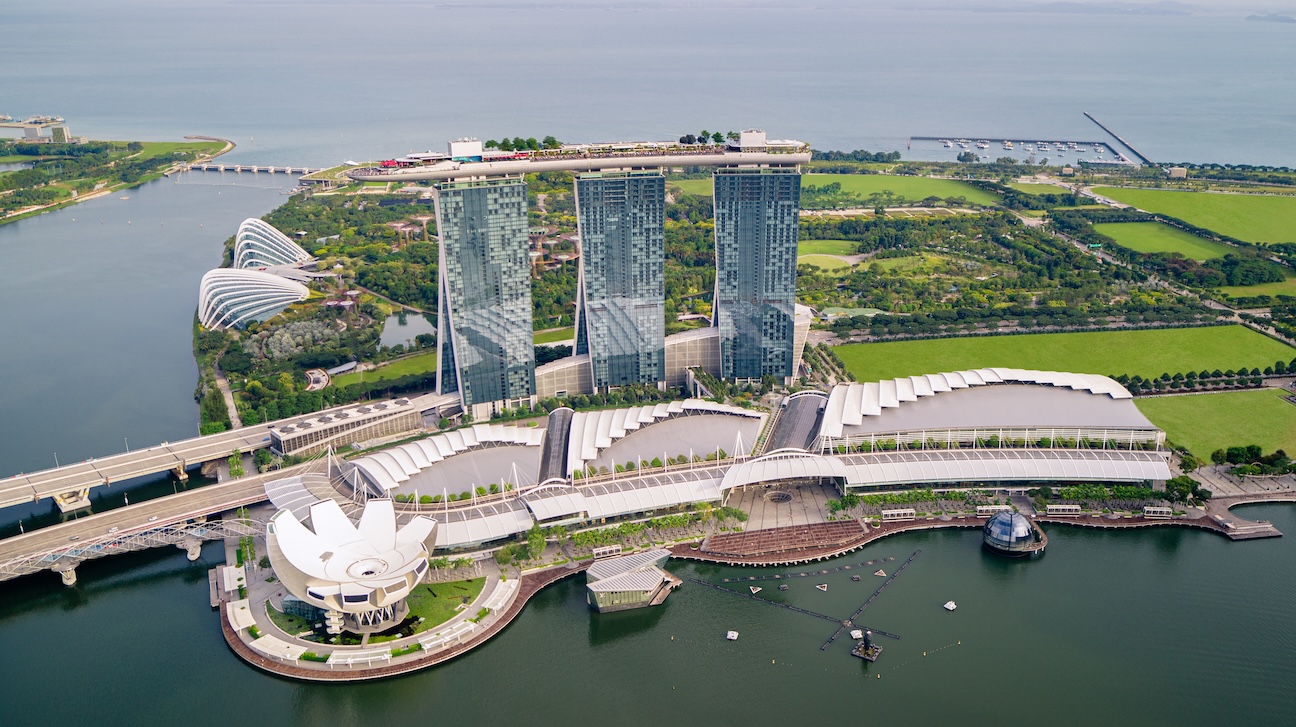
Marina Bay Sands is charting a new path for the industry, demonstrating how systems-level thinking can be applied at scale, and how luxury hospitality and sustainability innovation can advance in lockstep. In 2025, the integrated resort became the first hospitality organisation in Asia to establish a closed-loop renewable fuel ecosystem, transforming used cooking oil from its operations into renewable diesel that supports mission‑critical infrastructure.
The initiative repositions waste as a powerful, low-carbon energy resource that can be reintegrated into the venue’s own energy ecosystem.
Closing the Loop: From Operational Waste to Clean Energy
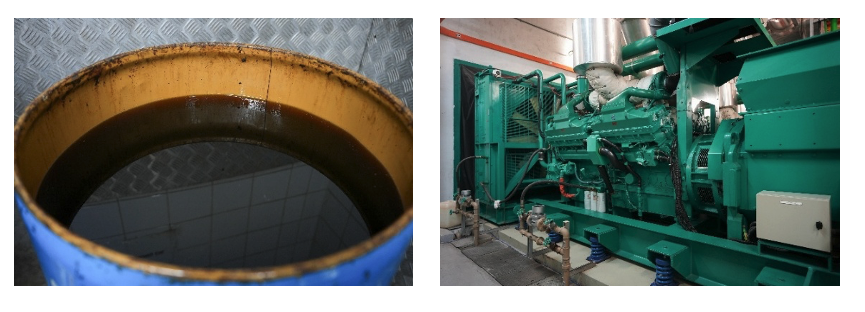
Each year, approximately 100,000 litres of used cooking oil from Marina Bay Sands’ culinary operations, including banquet operations at the Expo & Convention Centre, are collected and diverted from traditional waste streams. In partnership with Neste, the world’s largest refiner of sustainable aviation fuel and renewable diesel that has been operating in Singapore since 2010, the integrated resort has created a circular lifecycle for waste oil.
The process is deliberately simple yet scalable. Twice a week, used cooking oil from Marina Bay Sands’ kitchens is collected and stored in dedicated containers before being ultimately transported to Neste’s refinery in Singapore. It is then processed alongside other wastes and residues, into Renewable Diesel, which is a high-quality drop-in fuel, free from sulphur, oxygen and aromatic compounds. Once refined, the renewable diesel is procured back for operational use to power the property’s back-up generators, which enables up to 90% of greenhouse gas emissions across the lifecycle of the fuel.
For event organisers seeking credible sustainability outcomes, initiatives like this point to a broader shift beyond operational efficiency. It showcases systems‑level thinking and the kind of closed‑loop resilience that the future of sustainable events will increasingly require. As one of many transformative efforts underway, Marina Bay Sands continues to redefine luxury with purpose –demonstrating that world‑class standards and meaningful environmental impact can coexist seamlessly.
By giving waste a second life and integrating renewable fuel into core infrastructure, Marina Bay Sands exemplifies how event venues can move beyond surface-level sustainability measures towards closed-loop models that can push the boundaries of sustainable event operations, redefining the global business events landscape for the better.