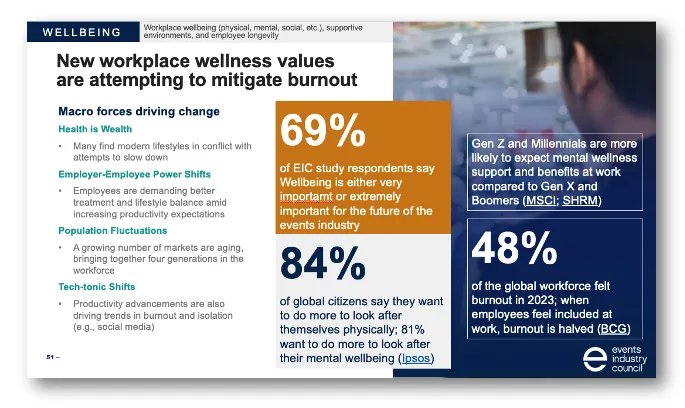
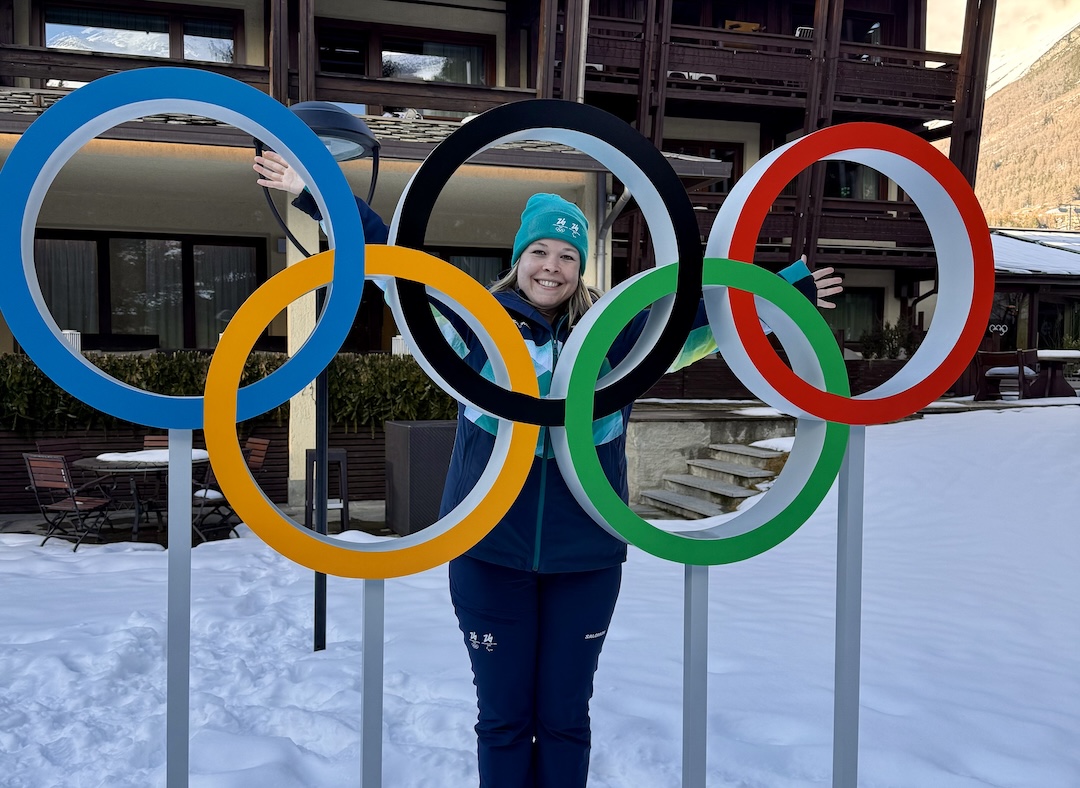
When the world gathers for the Olympic Games, the spotlight is on athletes — but behind the scenes, thousands of event professionals are working around the clock to make the experience seamless.
EIC recently sat down with Sina Bünte, CMP, DES, winner of the 2024 EIC Pacesetter Award, following her work supporting arrivals and departures operations for international delegations at the Winter Olympics in Italy. She shared what it’s like to coordinate logistics at Olympic scale, the challenges of managing constant change, and why the core skills of event professionals remain essential — whether organising a conference or welcoming athletes from around the world.
What was your role at the Winter Olympics?
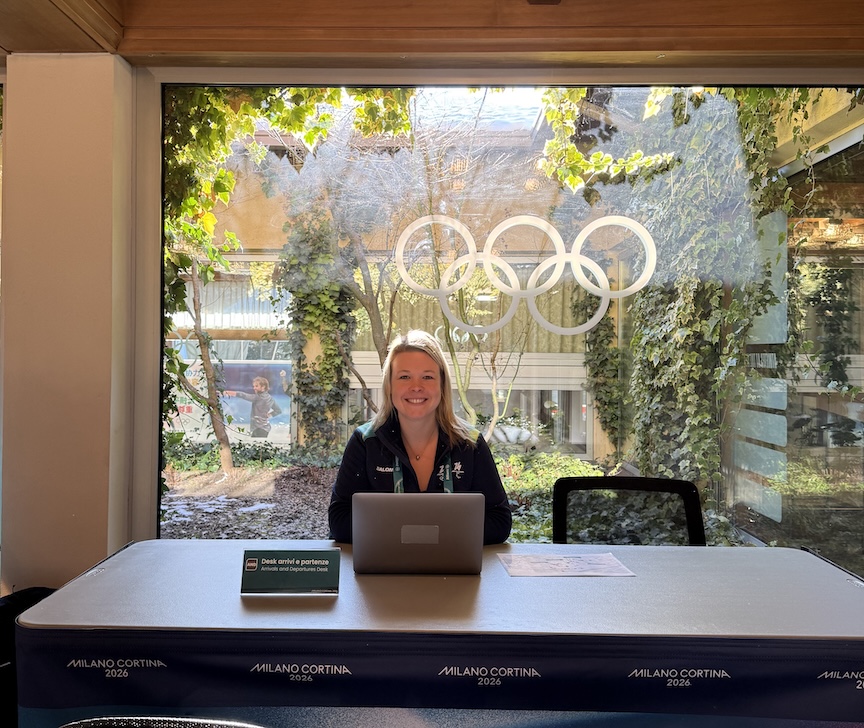
I served as the Arrivals and Departures Manager in Bormio, overseeing transport logistics for delegations travelling to and from the Olympic Village. I managed a team of two coordinators, and together we handled arrivals and departures for 81 Alpine Skiing men’s delegations and 15 Ski Mountaineering delegations.
In total, around 50 staff members and 150 volunteers were working in the Bormio Olympic Village to support delegations and ensure operations ran smoothly.
What kind of preparation was required before the event?
I joined the Milano Cortina team in November, when many operational processes were already in place, which meant a very intense onboarding period. I had to get up to speed quickly.
Within my first week, I was already presenting the Arrivals and Departures operations to colleagues from other departments who would later work together in Bormio. It was stressful at first, but things became more manageable by December.
Our Arrivals and Departures team consisted of around 80 colleagues and we were all based together in one office in Milan, while the roughly 5,000 staff of the organizing committee were spread across three offices in the city. During the Games, many of our colleagues were deployed to Milan and Venice airports to coordinate arrivals on the ground.
One of our main tasks was collecting travel information from delegations so we could plan transport to the village. For Bormio alone, we coordinated roughly 700 arrivals and departures, with many teams arriving by car.
What was the most challenging — and the most rewarding — part of the experience?
One challenge was maintaining focus during quieter periods between major arrival and departure waves. Delegations often confirmed travel plans gradually, so the workload could shift quickly from calm to extremely intense. During those moments, strong team coordination was essential to keep everyone motivated and service-oriented.
The biggest peak came on 16 February, when 66 delegations departed the village in a single day. Many requests and changes came at the last minute. Sometimes teams arrived with more luggage than expected, so we had to improvise quickly — often joking that it felt like playing Tetris with buses and equipment.
Because Bormio is about four hours from Milan Airport, contingency transport options were limited. We had to carefully calculate timing to ensure every delegation still made their flights.
Living and working onsite for several weeks was also demanding. Our accommodation was about 30 minutes from Bormio, and we shared rooms while working long shifts with just one day off per week.
The most rewarding part was meeting delegations from all over the world. It was inspiring to see how excited athletes were simply to participate in the Games — especially teams from countries where winter sports are less common, such as the Philippines, Guinea-Bissau, Jamaica and Trinidad and Tobago.
Many teams also expressed how much they appreciated the service and support we provided, especially since they spend months travelling across Europe for competitions.
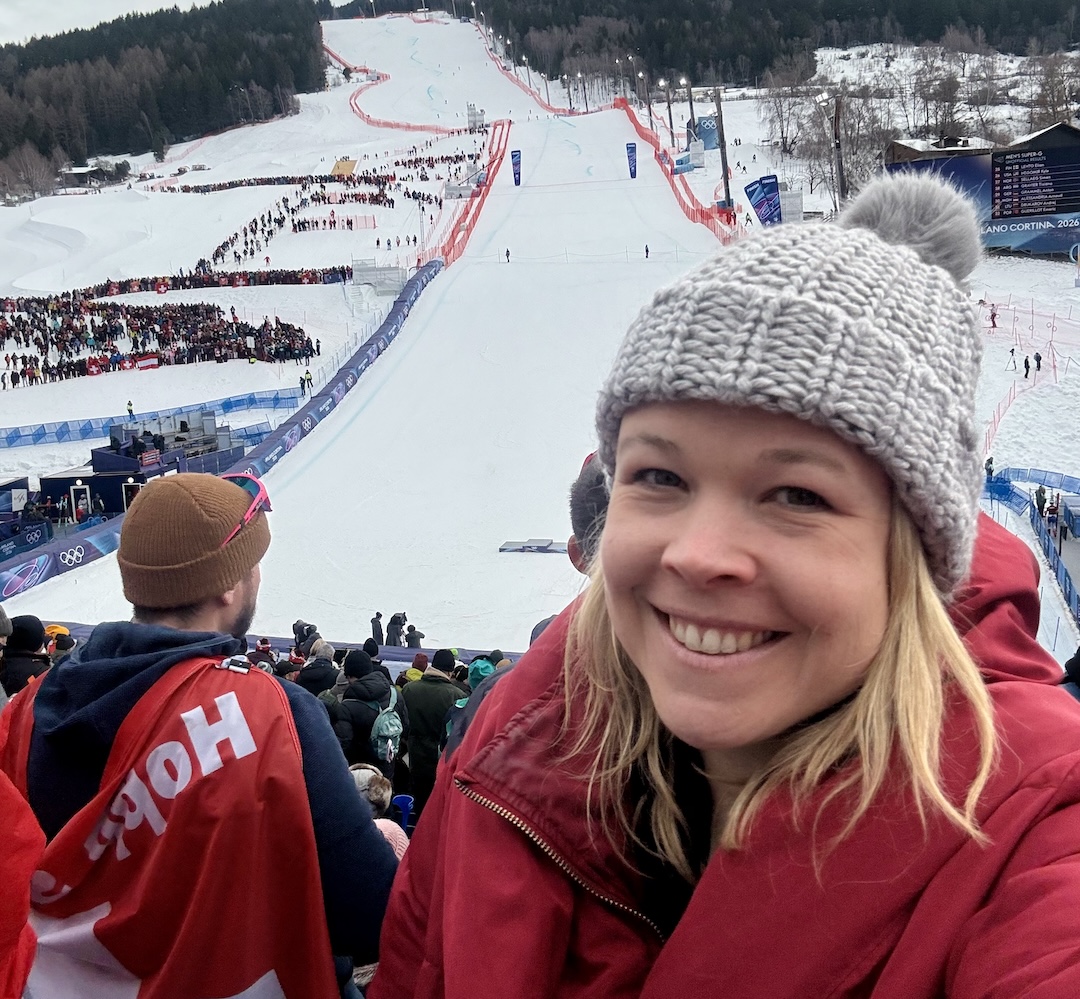
Another highlight was being able to watch some competitions and attend the closing ceremony in Verona. Our seats even gave us a view of backstage operations, which I loved as an event professional.
As a CMP and Pacesetter Award winner, how did your experience prepare you for the Olympics?
I’ve been working in the event industry for 13 years, and many of the skills we develop in conference and event management translate directly to large-scale sporting events.
Meeting delegations from around the world reminded me a lot of organising international conferences. Communicating across cultures and making people feel welcome is central to both.
At their core, the same event skills apply:
- Quick problem solving when unexpected issues arise
- Clear client-facing communication
- Managing constantly changing details
- Staying calm under pressure
- Adapting quickly in unpredictable environments
- Coordinating across large teams
These competencies are essential for any major international event.
What lessons will you take away from the experience?
The biggest lesson is how important collaboration and flexibility are at this scale. Even with months of planning, things change constantly, and success depends on teams supporting each other across departments.
It also reinforced how crucial clear communication and empathy are when working with international participants who are often under significant pressure themselves.
And ultimately, it reaffirmed something I’ve always believed: the success of any event comes down to the people behind it — the staff, volunteers, coordinators and managers working together to make everything run smoothly.
How did you take care of yourself during such a high-pressure experience?
Since I spent much of the day coordinating logistics at a desk, I tried to get outside whenever possible. Even a short walk around the mountain village where my hotel was located helped clear my head.
On my day off, I made the most of the location — going skiing, trying cross-country skiing or spending time at the spa. Even small breaks for fresh air and sunshine during the day made a big difference.
What’s next for you?
Only a few days after returning to my home base in Barcelona, I was already working as a stage manager at Mobile World Congress. It felt great to be back at the tech desk and wearing the intercom again.
I’m continuing with several confirmed projects, mainly association conferences, and I also support event technology companies with their marketing activities.
I’ve also applied to work at the FIFA World Cup in Canada or Mexico, so we’ll see if that opportunity comes through.
What advice would you give event professionals who want to work on major sporting events like the Olympics?
Keep an eye on vacancies on official event websites, and don’t be afraid to apply — even if you don’t have direct experience in sports events. Many of the skills from conference and event management transfer very well.
Volunteering can also be a great entry point. I volunteered at the Rio Olympic Games, and I believe that experience helped me secure later opportunities.
Another useful tip is to follow people on LinkedIn who already work on major sporting events, as they often share job openings before they become widely known.
And finally, stay open to different roles. Mega-events require professionals across many areas — logistics, transport, accommodation, ceremonies, technology and operations — so there are many paths to get involved.