
When thinking about the mobility landscape as it pertains to business events, you are faced with an astonishing web of separate but connected industries such as air transport and ground transport, including public transportation, electric vehicles, personal electric vehicles, connected autonomous vehicles and various other on-demand mobility as a service (MaaS) options.
Within all these industries, the need and desire for better accessibility and increased sustainability intersects with all these mobility options. If this was not complex enough, we also live in an uncertain political climate, increased security concerns, tariffs, and heightened scrutiny over visas and international travel.
The airline industry is on the cusp of significant changes. Many airlines are increasingly using Ai to change how they price and sell tickets. The amount of data that is available to carriers promises to show real-time trends from customers. Many airlines are rolling out enhanced features for flyers, including free Wi-Fi, premium upgrades, and improved apps. These are significant changes that will affect meeting attendees traveling to your event.
The airline industry also faces challenges in the future. In many countries, an aging infrastructure and old air traffic control systems pose serious safety risks. Sustainability concerns over air travel may change how some meetings are organised. It is hard to imagine moving a majority of events to regional gatherings but if that were to happen that would have profound effects across every sector of the business events industry.
Once on the ground, meeting professionals are challenged like never before to provide seamless mobility options for their attendees. The increased focus on being prepared to meet any accessibility need is much different than the reactive mentality from 20 years ago. Meeting accessibility needs has also become a lot more sophisticated.
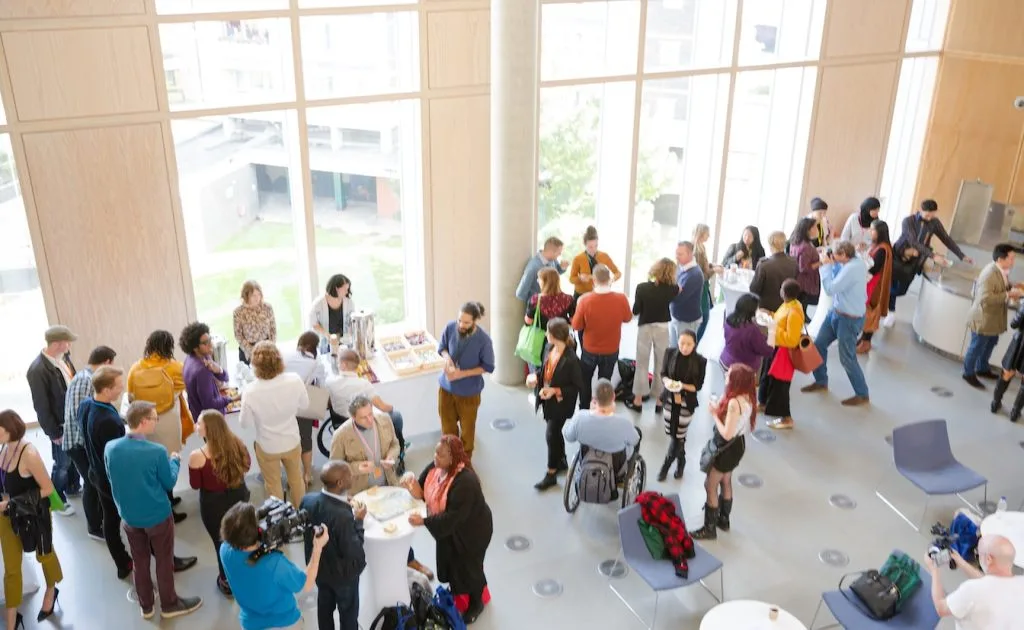
In the past, you may have only concerned yourself with wheelchair access within the meeting space. Now, accessibility can also mean providing restaurant menus in braille, making sure elevators have braille buttons and audio announcements, ramps on every riser, quiet rooms, reserved seating not just for people in wheelchairs but also maybe for people with hearing needs. The list goes much further than what I have outlined, and it can be bewildering but it is something every meeting professional must be aware of.
Attendees are much more demanding and concerned about getting from point A to point B in a safe and efficient manner but also with multiple options. Whether that is getting from the airport to their hotel or getting around a city, attendees want on-demand options like Uber, Lyft or even Waymo. Many also appreciate public transportation options that are easy to use. Increasingly, people want all of these options at their fingertips, namely on their phone and they want to be able to pay for these services on their phone. Due to the way business is conducted in the U.S., there is no single app that will allow you to do this. Whereas, in Europe and other parts of the world there is a greater ability to utilize different mobility services through one portal or at least pay for these services with your phone.
Of course, coming out of COVID, virtual meetings became a staple that are here to stay. While COVID also taught us the importance of in-person meetings, virtual and or hybrid meetings have become ubiquitous options during in-person events. While cost is a concern, many attendees appreciate the option of attending a meeting virtually, whether in another city or even in a hotel room just above where the live meeting is taking place.
As the mobility ecosystem has gotten larger so are the options meeting professionals, hoteliers and venue managers must keep in mind. The future mobility landscape is a complex web but also promises to offer more sophisticated options across every mode of transportation. This also means an even professional’s site inspection list has gotten longer and more complex. Mobility has become a larger factor in decision making. Not just dates and rates.

Marcus Eng, CMP Fellow, DES, is the Senior Director of Meeting Operations at the American Public Transportation Association (APTA), a trade association representing more than 1,500 public and private sector organizations involved in public transit in the U.S. and Canada. As part of APTA’s meetings team, Marcus helps produce more than 15 major face-to-face meetings throughout the country, including APTA’s annual meeting and expo, which attracts more than 10,000 attendees.