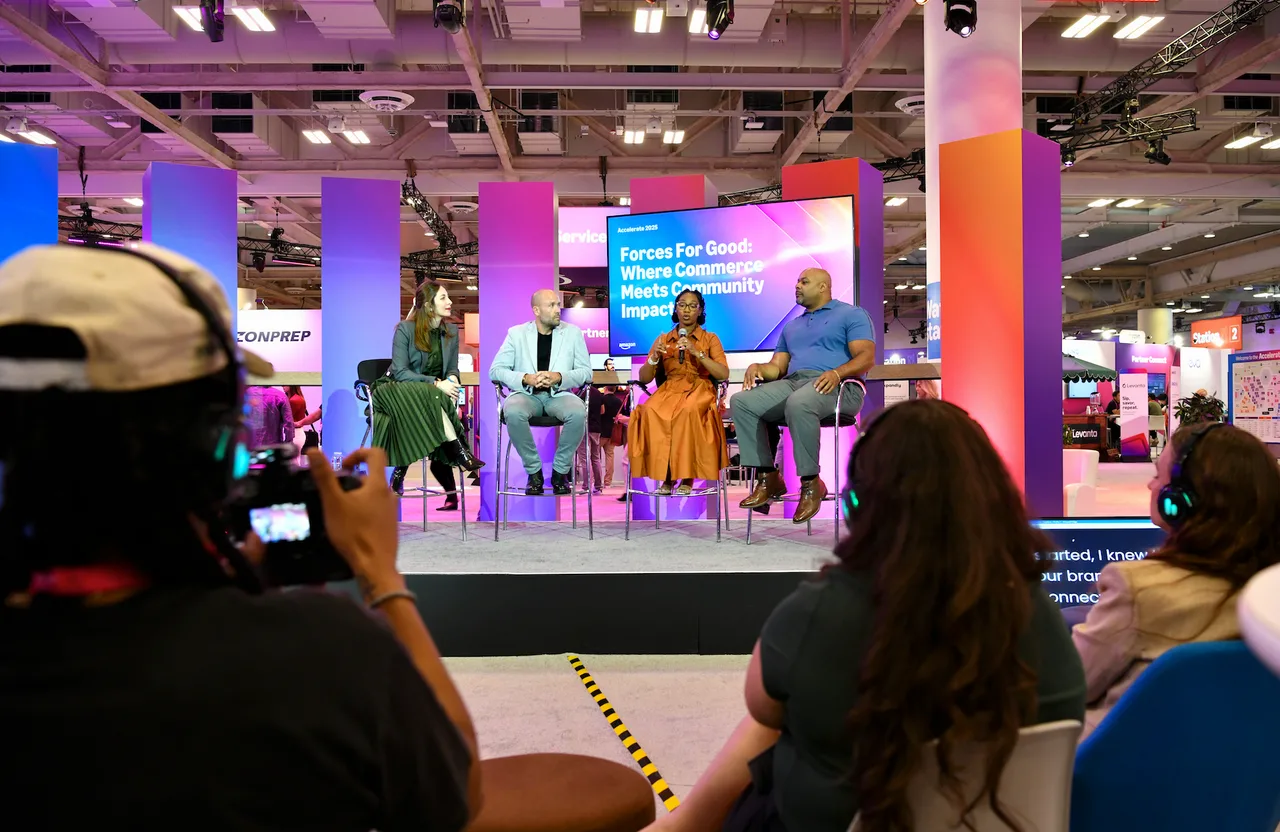
Amazon Accelerate’s progression from Silver Level Certification in 2024 to Platinum Level Certification in 2025 demonstrates how clear standards, shared accountability and strong collaboration can accelerate meaningful change across a large-scale event.
For the Amazon Accelerate team, achieving Platinum Level Certification through the Events Industry Council’s Sustainable Event Standards was not simply the result of adding new environmental initiatives. It reflected a broader shift in how sustainability was incorporated into event strategy, operational planning, supplier relationships and the attendee experience.
In 2023 the carbon footprint of Accelerate was measured retroactively, and in both 2024 and 2025, the team moved from a primarily reactive, measurement-focused approach to proactively integrating sustainability across the event’s systems and workstreams. Sustainability became a standing item in core planning meetings, supported by defined targets, calls and a shared electronic tracker that documented decisions and assigned responsibility across more than eight major stakeholders.
That deeper commitment also pushed Accelerate’s certification timeline. The team originally aimed to achieve Gold by 2026 and Platinum by 2027. Instead, stakeholder support and the momentum created by the certification process helped the event reach Platinum two years ahead of schedule.
A framework for responsible event production
The EIC Sustainable Event Standards provided Accelerate with an independent, industry-recognized framework through which to measure progress. Rather than relying solely on internally defined metrics, the team could evaluate its performance across eight areas, including materials and circularity, supply chain management, climate action, accessibility, diversity, equity and inclusion, and social impact.
The breadth of the standards encouraged the team to look beyond carbon measurement and consider a more holistic model of responsible event production. They also created a common language for Amazon, Maritz, the Seattle Convention Center and other collaborators to align expectations, improve data collection and make better-informed decisions throughout the planning cycle.
Turning targets into operational decisions
Accelerate’s updated sustainability policy established specific targets for energy use, water conservation and waste management.
Working with the LEED Platinum-certified Summit Building at the Seattle Convention Center (SCC), the team monitored and optimized energy consumption across the event footprint. Energy considerations influenced move-in and move-out schedules, lighting design and HVAC management during the build and strike.
Waste management produced some of the event’s strongest measurable results. Accelerate achieved an 88.5% waste diversion rate, supported by compostable and recyclable service ware, clearly marked waste receptacles, onsite staff training and Oscar AI Sort trash stations. Across 25,042 interactions, the stations achieved 92.4% accuracy in sorting bottles and cans for recycling.
The team also worked with The Green Room and Brumark Total Flooring Solutions to divert 71,435 pounds of carpet, artificial turf and printed graphics from landfill. Through Brumark’s recovery program, the materials were processed for reuse and as an alternative fuel for cement kilns.
The pathway was identified before the event began, with end-of-show requirements incorporated into vendor and exhibitor conversations and the shared tracker. The results showed how asking existing suppliers different questions can uncover significant opportunities without requiring an entirely new supply chain.
Extending sustainability into the community
For the second year in a row, Accelerate continued to treat community impact as an essential component of event sustainability.
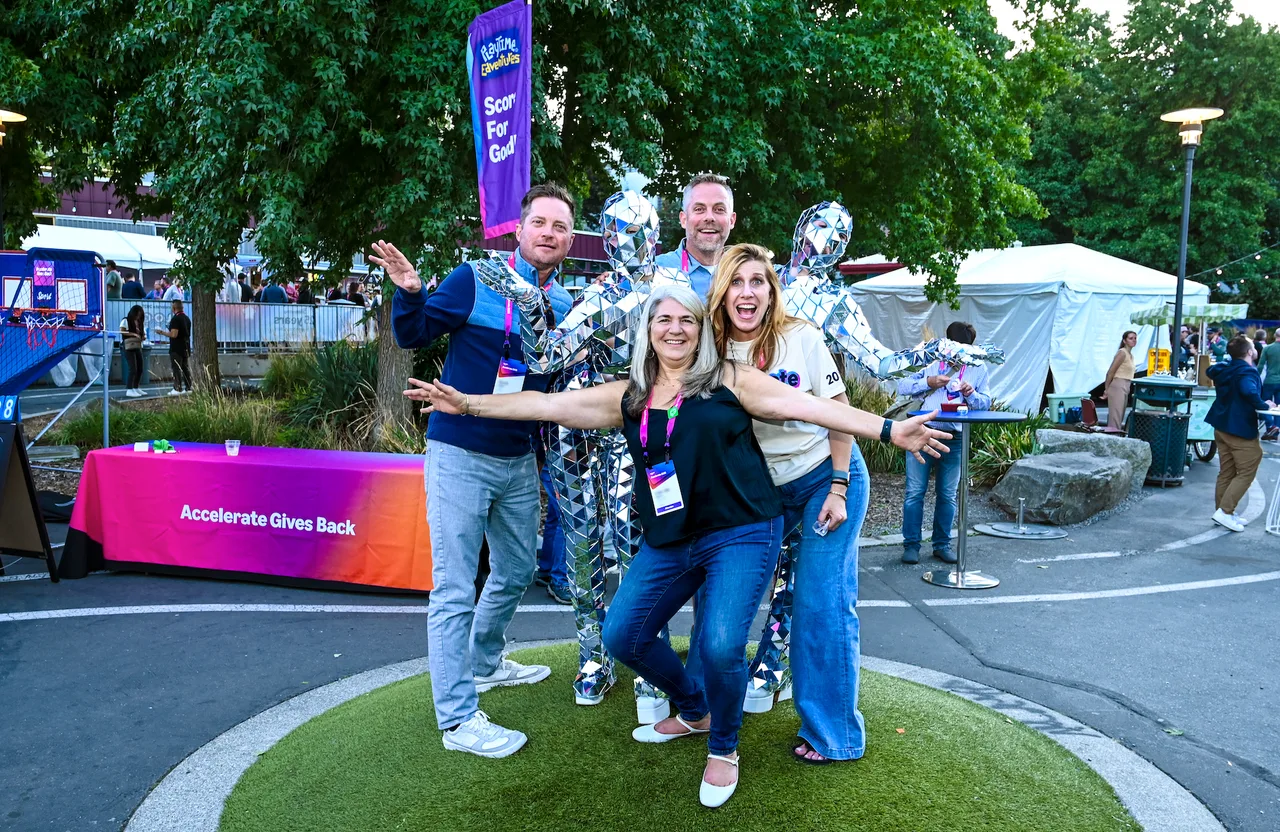
Through the program now known as Accelerate Gives Back, more than 4,700 items were donated to local organizations and $25,000 was contributed directly to charitable organizations in Seattle. Donations included surplus food, unused merchandise and supplies, and signage and other materials that could be repurposed or upcycled.
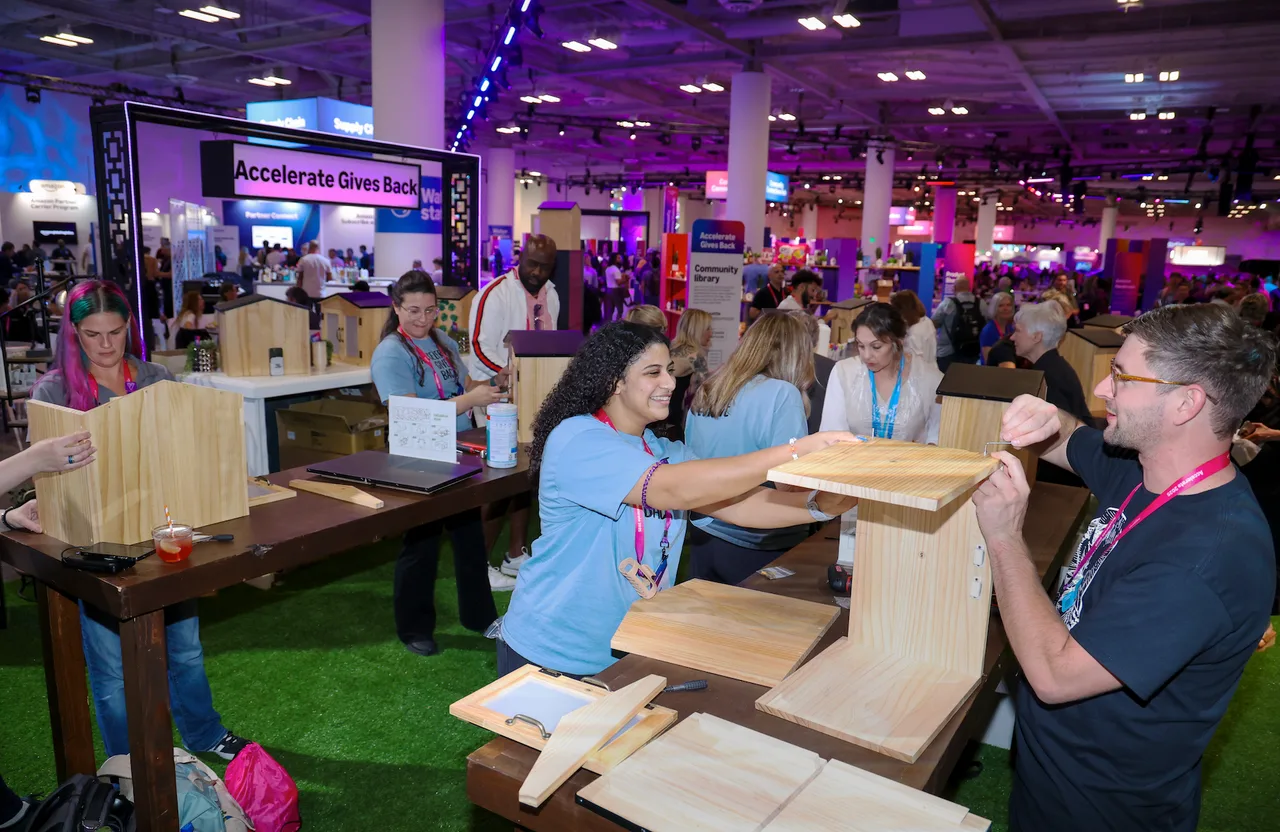
The team collaborated with more than 27 local charities and developed seven opportunities for attendees to participate in community-focused activities. Give-back activations were incorporated into the exhibit hall, networking events and the conference welcome reception, making social impact visible and participatory rather than separate from the attendee experience.
Collaboration as the foundation for progress
Platinum certification required coordinated action across the event ecosystem.
Maritz and Reduce2 supported carbon measurement, data collection and implementation auditing. The Seattle Convention Center provided detailed energy, water and waste data while supporting waste prevention and food and material donation. The Green Room led production-related diversion, reused exhibit structures and rented furnishings, while Juice Marketing applied environmentally responsible criteria to all swag and activation materials.
Hosts Global and Visit Seattle helped identify local organizations that could use donated materials and supported the logistics needed to place those items effectively within the community.
Together, these organizations helped turn sustainability from an isolated operational responsibility into a shared planning objective.
Making sustainability relevant to attendees
Accelerate used the event as a platform to involve attendees and selling partners in conversations about sustainability topics relevant to their products and businesses.
A dedicated Climate Pledge Friendly booth helped sellers learn how their products could be recognized by third-party certifications in the Climate Pledge Friendly program in Amazon’s store. Sustainability guidance was integrated into the conference app, including information about waste sorting, community activities, wellness sessions and more.
Attendees could participate in seven give-back activations and identify their interest in sustainability through a community pin wall and lanyard system, helping connect sellers with shared interests.
By linking sustainability to the practical needs and interests of its audience, Accelerate made the subject more tangible, relevant and actionable.
Building on the Platinum achievement
For Amazon Accelerate 2026, the team aims to maintain the Platinum Level Certification while reducing the event’s operational carbon emissions per attendee by 5–10% year over year.
Future priorities include expanding Climate Pledge Friendly educational programming for sellers, establishing clearer vendor donation protocols earlier in the planning process and exploring new upcycling opportunities for lanyards, signage and graphics.
The experience produced several lessons for other event organizers: begin measuring early, create shared accountability from the start, ask existing suppliers what options are already available and connect sustainability goals to the interests of attendees.
Perhaps most importantly, the team’s journey illustrates why organizations should not wait for perfect systems before pursuing certification. The standards themselves can reveal opportunities, strengthen collaboration and create the structure needed to advance more quickly.
Accelerate’s progression from Silver to Platinum shows what becomes possible when sustainability is not treated as a separate initiative, but as an integrated approach to designing events that are environmentally responsible, socially connected, accessible and built for lasting impact.