For more than thirty years, I have lived and worked across four continents. This was never part of a carefully designed career plan. I did not set out to become “international,” nor did I expect diversity, equity, and inclusion to become central to how I lead and build companies. At the start, I was simply learning; learning how people work, how cultures interact, and how businesses succeed or fail based on their understanding of human behavior.
Over time, those experiences shaped my perspective. After building a company from the ground up, leading teams made up of many nationalities and cultures, and working closely with local communities, I can say this with confidence: DEI is not a trend, and it is not a box to tick. When it is real, intentional, and lived every day, it becomes one of the strongest drivers of innovation, resilience, and long-term success.
This is not theory. It is lived experience.
A Career Shaped by Movement, Not Borders
Living and working on four continents forces you to rethink what you believe is “normal.” You quickly learn that what works in one country may not work at all in another. Communication styles change. Leadership expectations vary. Even the meaning of success is different depending on culture, history, and local realities.
Early in my career, I learned that technical skills alone were never enough. You can be very competent on paper, but if you cannot listen, adapt, or respect cultural differences, you will struggle. Being the outsider teaches humility, it reminds you that you do not have all the answers, and that learning never really stops.
This mindset stayed with me as I moved into leadership roles. It became even more important when I decided to create my own company.
Building a Company from the Ground Up
When I founded Connect DMC, my goal was not to build a “diverse company” for marketing purposes. I wanted to build a strong company; a company that was agile, reliable, and deeply connected to the destinations we serve.
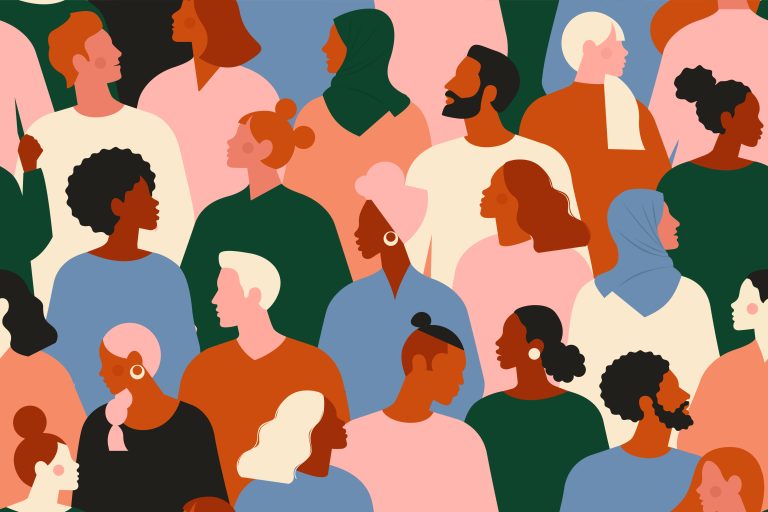
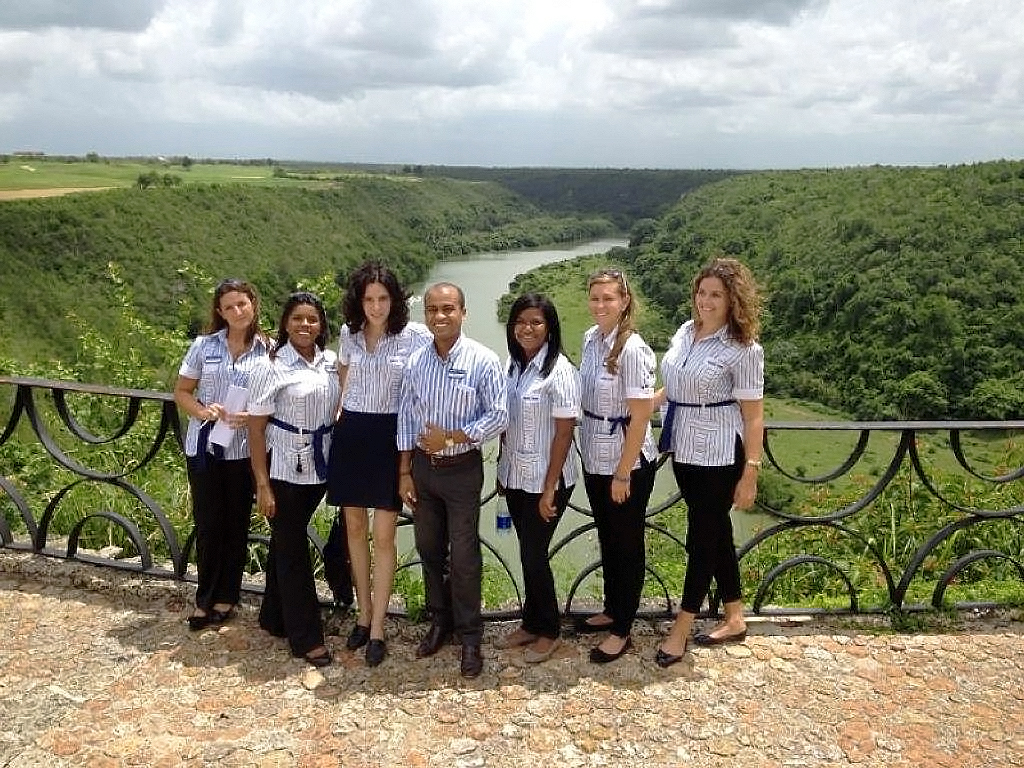
From the beginning, diversity was simply part of who we were. Our teams were made up of people from different countries, cultures, religions, and backgrounds. Not because we were trying to meet targets or quotas, but because talent exists everywhere. Limiting yourself to one type of profile means limiting your potential.
Very quickly, I realized something important: diversity alone is not enough. You can hire people from different backgrounds, but if everyone is expected to think the same way, speak the same way, and behave the same way, you lose the value of that diversity.
That is where inclusion becomes essential.
Inclusion Is Where Innovation Starts
Innovation rarely comes from everyone agreeing, it comes from brainstorming and constructive constracts.
In inclusive environments, people feel safe enough to challenge ideas, even those coming from leadership. They ask questions, share different perspectives, and propose solutions that may feel uncomfortable at first but often lead to better outcomes.
Some of the most impactful ideas in our company did not come from senior leadership. They came from local team members who understood their communities deeply, from younger employees who questioned established habits, and from people who approached challenges through a different cultural lens.
When people feel heard and respected, they take ownership. When they feel they belong, they are more willing to innovate.
Equity: Giving People What They Need to Succeed
Equity is often the most misunderstood part of DEI. Treating everyone exactly the same may looks fair, but it often is not. People come with different experiences, backgrounds, and starting points. Real equity means giving people what they need to succeed, not what looks equal on paper.
Over the years, I have learned that good leadership requires flexibility. Some people thrive with clear structure; others need more autonomy. Some communicate directly; others are more reserved. Recognizing these differences is not a weakness, it is good management.
Equity also means creating real opportunities for growth: promoting from within, investing in training, trusting local leadership, and allowing people to grow into roles they may not have followed a “traditional” path to, but are fully capable of handling.
When this approach is consistent, the results are clear: loyalty increases, turnover decreases, and knowledge stays within the organization. That stability creates the right environment for innovation to grow.
Diversity as a Real Business Advantage
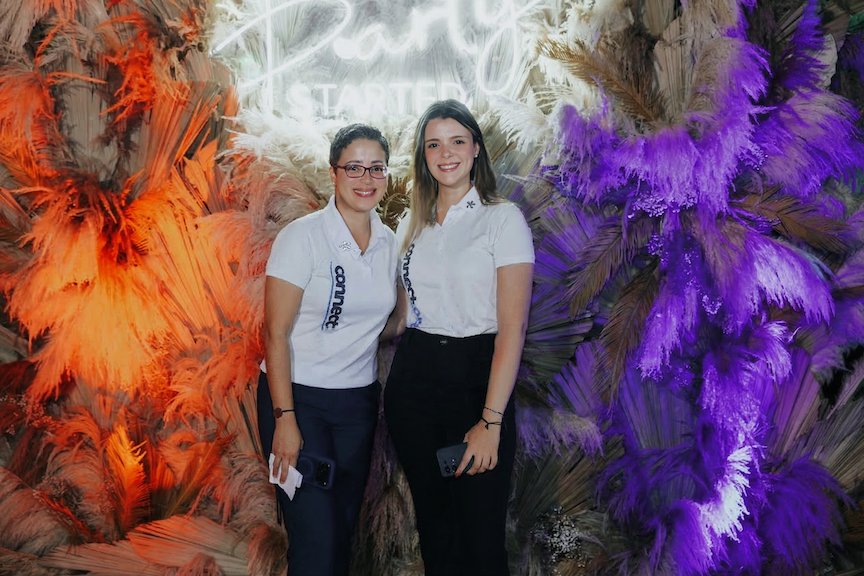
In the events and hospitality industry, understanding people is everything. Our clients are global, our audiences are diverse, and our destinations are complex combinations of culture, history, and local identity.
A team that all thinks the same way cannot fully understand a world that does not.
Diverse teams bring deeper cultural awareness. They anticipate sensitivities others might miss, create experiences that feel authentic rather than imported, identify risks earlier, and spot opportunities faster. This has a direct impact on business performance: better programs, stronger client relationships, more creative problem-solving, and ultimately, better results.
DEI is not separate from performance. It strengthens it.
Staying Connected to Local Communities
One of the most important lessons from my international experience is the value of staying close to local communities. Our teams are not external operators delivering experiences to a destination; they are part of the destination.
This closeness builds trust, it ensures that economic impact stays local, it creates partnerships rather than transactions. Communities are not just beneficiaries of our work; they are collaborators.
Working with local artists, suppliers, and partners brings a level of authenticity that cannot be copied or imported. These are the people who carry the culture, history, and identity of a destination. Their involvement ensures that experiences feel real, respectful, and rooted in place, rather than standardized or disconnected from the community.
It also creates a strong sense of responsibility. When your team lives in the community and works with people they see every day, decisions are no longer abstract. You think beyond immediate results. You consider long-term relationships, environmental impact, and economic sustainability. Choices are made with care, knowing they affect neighbors, families, and future generations — not just the bottom line.
This approach naturally aligns with DEI values. It gives space to local voices that are often overlooked, supports underrepresented talent by creating real opportunities, and encourages fair collaboration rather than one-sided transactions. Over time, it strengthens the social and economic fabric of destinations, creating value that lasts well beyond a single event or project.
Leading Across Cultures
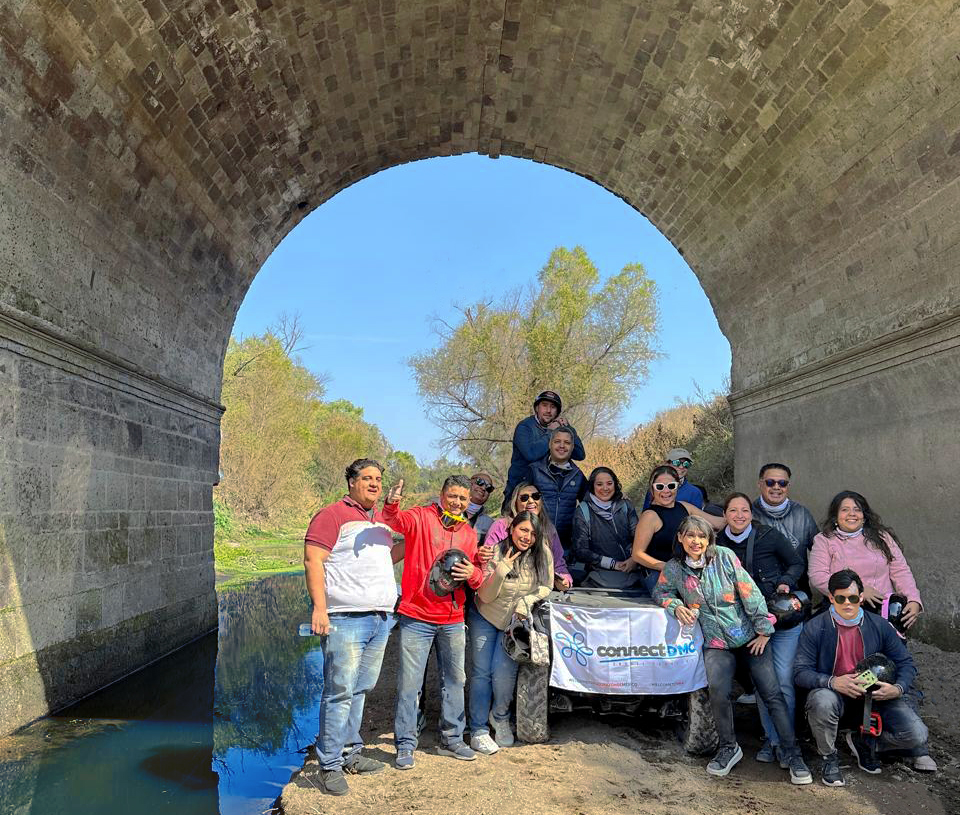
Leading multicultural teams is not always easy. Misunderstandings happen, communication styles clash, expectations differ.
But these challenges are also opportunities to grow.
Effective leadership in diverse environments requires listening more than speaking. It requires curiosity instead of judgment. It requires the humility to say, “I don’t know; tell me how this works here.”
Over time, this builds trust and trust is the foundation of high-performing teams. When people trust their leaders, they are more willing to take risks and innovation always involves risk.
I have learned that authority does not come from titles; it comes from consistency, fairness, and respect.
Moving Beyond Performative DEI
One of the risks today is treating DEI as a branding exercise rather than a lived reality. Statements, policies, and awards mean very little if they are not reflected in daily behavior and decisions.
Real DEI shows up in hiring decisions, promotions, whos voices are heard, how mistakes are handled, and how success is shared. It requires honesty, self-awareness, and ongoing efforts. The alternative is stagnation; and no industry can afford that.
Looking Ahead
The future of the events industry will depend on how well we reflect the world we serve. That world is diverse, interconnected, and constantly changing.
Organizations that embrace DEI authentically will be better prepared to handle complexity, attract talent, and innovate with purpose. Those that see it as an obligation rather than an opportunity will fall behind.
My journey across four continents taught me that differences do not divide us. When we allow them to exist, respect them, and learn from them, they make us stronger.
At connect DMC our value statement is “we measure success by the positive impact we create every day.”
And that is where real innovation begins.

Award-winning hospitality industry leader Benoit Sauvage, DMCP, CMP Fellow, CITP, is the Founder and CEO of Connect DMC, a leading Destination Management Company operating in the Caribbean, Central America and Mexico. He is also the Founder and CEO of Hospitality Sustainability Revolution (HSR), a global consulting firm supporting hospitality stakeholders in their sustainability journey.
Born in Paris, France, Benoit has lived and worked across 4 continents over the past 30 years. He brings more than 25 years of experience delivering high-end, complex destination services to clients worldwide, with a strong focus on creativity, attention to detail, community engagement, and sustainable practices.