
Several years ago at an industry conference, a young professional waited quietly until the room cleared after a panel discussion. When he finally approached, he didn’t ask for a business card or a photo. He asked a question.
“I want to build my career in this industry,” he said. “But sometimes it feels like we’re being asked to give everything we have to companies that aren’t sure they want all of us.”
He wasn’t angry. He wasn’t accusing anyone. But there was a weight behind his words—the kind that comes when someone cares deeply about an industry and wonders whether that industry will care about him in return.
 That moment has stayed with me.
Tourism, at its best, asks us to do something simple but powerful: see the world through someone else’s eyes. As we reflect on Black History Month, that perspective feels especially important.
Black history reminds us that travel has never been just about movement. It has always been about dignity, safety, excellence and belonging. During the era of segregation, Black families relied on The Negro Motorist Green Book to find safe places to stay and eat while travelling across America. Where people felt welcome determined where they could go.
Tourism has changed dramatically since then. But the lesson remains the same: people travel where they feel they belong.
A Complex Moment for the Industry
Today, the tourism industry finds itself navigating a complicated moment. Conversations about diversity, equity and inclusion have increasingly become politically charged.
DEI programmes were originally developed to support communities that historically faced barriers to equal opportunity in the workplace or experienced a lack of belonging in predominantly white corporate environments. These initiatives grew out of broader civil rights efforts aimed at reducing discrimination and expanding access to opportunity across American institutions. They build on the foundation of the Civil Rights Act of 1964, signed by Lyndon B. Johnson, which prohibited employment discrimination based on race, religion, sex, colour and national origin.
Historically, DEI initiatives have been widely adopted in both government and corporate workplaces to promote more inclusive environments and address systemic barriers. While often associated with supporting racial minorities, their impact has extended far beyond that.
A Forbes analysis notes that white women have been among the largest beneficiaries of workplace diversity initiatives. Many organisations have introduced programmes aimed at increasing gender representation in leadership, narrowing the gender pay gap, and expanding parental leave and workplace flexibility. Data also shows that 76% of chief diversity officer positions are held by white individuals and 54% by women, illustrating how these efforts have influenced leadership structures.
For some, the language itself raises concern. Others see it as essential to fairness and opportunity. Many leaders find themselves somewhere in between. They want to do the right thing. They want their organisations to reflect the communities they serve. But they are operating in a climate where every decision can quickly become a political flashpoint.
Over the past 14 months, we have also seen something else happen. Many companies that once made bold commitments to diversity and inclusion have quietly stepped back. Programmes have been reduced, leadership roles eliminated, and initiatives reframed or removed altogether.
For employees and communities who took those commitments seriously, the message can feel unsettling: was inclusion a long-term strategy, or simply a response to a moment?
The Economics of Belonging
These questions matter because the economics of tourism are changing.
According to MMGY Global, Black travellers represent roughly 14% of the nearly $1 trillion U.S. leisure travel market, accounting for more than $100 billion in annual travel spending. These travellers are not a niche market—they are a central part of the tourism economy.
But spending power alone does not tell the full story.
Research from the Traveling in Color: 2025 Traveller Identity Consensus study reveals how deeply representation shapes travel behaviour. The study found that 82.5% of travellers are more likely to visit destinations that visibly support diversity and highlight cultural attractions tied to local identity. Even more telling, travellers said they would spend an additional $215 per week in destinations that demonstrate those values through authentic storytelling and representation.
These numbers are not ideological. They are economic.
Yet the same research highlights a disconnect. BIPOC travellers are 55% less likely than white travellers to say they feel represented in travel marketing, suggesting many destinations are leaving both loyalty and revenue on the table.
If tourism is built on hospitality, those findings should give the industry pause.
The global business events sector alone represents a $1.6 trillion industry, supporting millions of jobs and driving economic activity worldwide. At the same time, the Events Industry Council’s Futures Landscape research identifies talent and human capital as critical forces shaping the future of the meetings and tourism industry.
Workforce diversity, cultural awareness and inclusive leadership will increasingly determine how effectively organisations serve global audiences.
In other words, the future success of tourism will depend on who we hire, who we promote and who feels empowered to stay.
The Tension Leaders Are Navigating
That brings the conversation closer to home.
Imagine being asked to bring your full perspective, cultural understanding and community connections into your work every day—while wondering whether the values that support fairness are still considered priorities.
For some professionals, especially those from historically underrepresented communities, that tension is real.
At the same time, many corporate leaders face their own dilemma. They understand that the future traveller will be younger, more global and more diverse than the traveller of the past. They want their organisations to remain competitive. Yet they also operate in a political climate where even the pursuit of fairness can become controversial.
But tourism has always succeeded when it chooses courage over comfort.
Black history teaches us that progress rarely happens because conditions are perfect. It happens when individuals and institutions decide—again and again—to expand opportunity rather than restrict it.
As civil rights leader Rev. Jesse Jackson once said, “When everyone is included, everyone wins.” That idea is not only a moral principle; in today’s tourism economy, it is also a practical one.
The Question Before Us
Tourism has a unique role in that story. Few industries bring together as many cultures, communities and perspectives as ours. Every convention, every destination campaign and every traveller experience becomes an opportunity to show the world what hospitality truly means.
If tourism truly believes in the power of travel to broaden horizons, then we must ask ourselves a simple but important question:
Are we building an industry where the next generation—no matter their background—believes they belong here?
For corporate leaders, answering that question requires more than good intentions. It means investing in leadership pipelines that reflect the travellers we serve. It means listening to communities whose histories shape our destinations. And it means recognising that inclusion is not simply a social conversation—it is a strategy for economic resilience and long-term growth.
So the question before tourism is not political. It is moral, economic and strategic all at once.
Because the next chapter of tourism will not be written only by where people travel. It will be written by who feels welcome on the journey—and who is invited to help lead it.
A Final Reflection
There is one final detail about that conversation after the panel that I often share.
The young professional who approached me that day was a straight white man. He explained that he had felt increasingly uncomfortable at his previous employer because of the company’s political views. Eventually, he left and joined another organisation where he felt his values—and his voice—were respected.
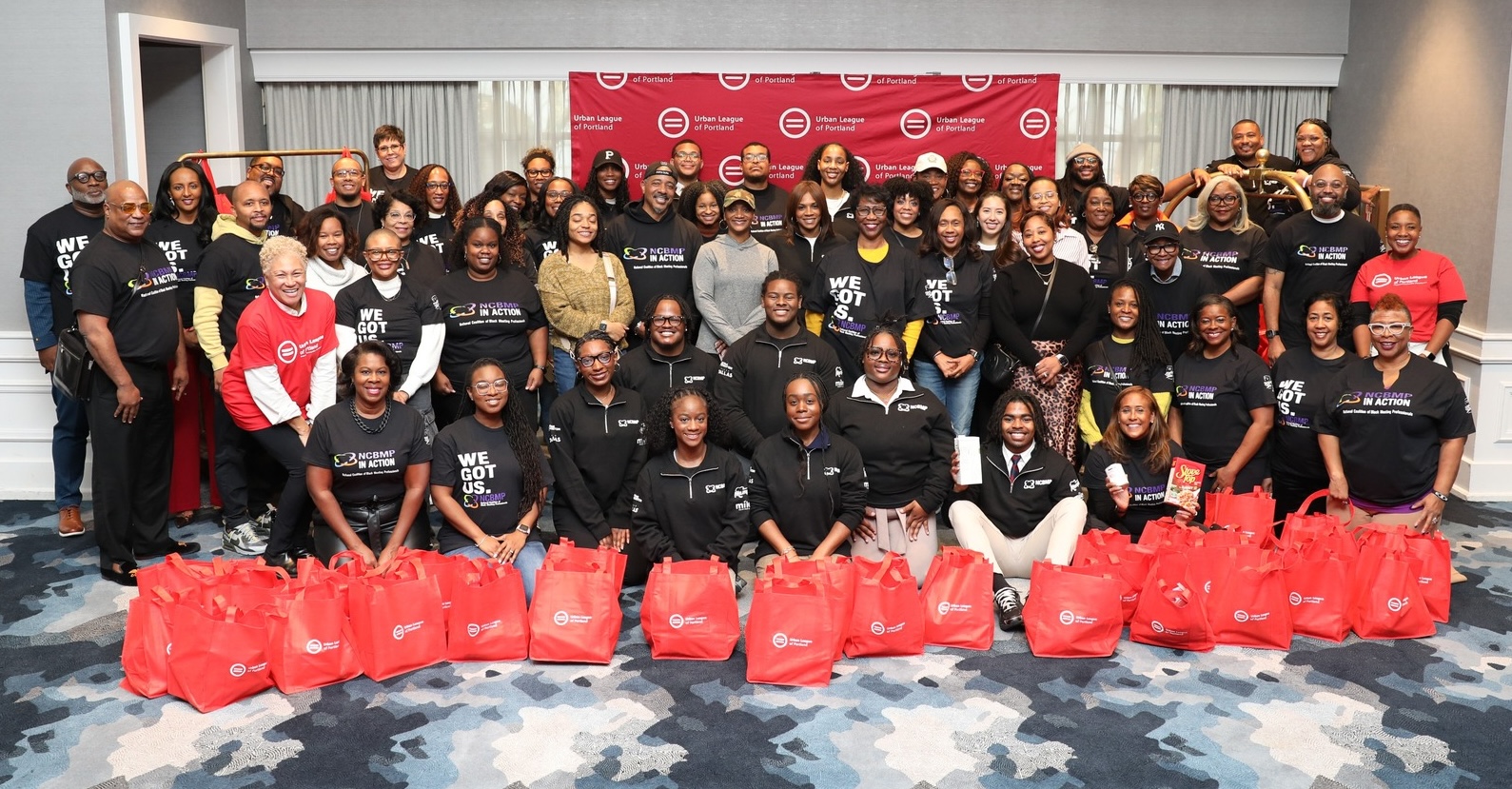
He is now a member of the National Coalition of Black Meeting Professionals.
His question wasn’t about identity politics. It was about belonging.
And perhaps that is the real question for the tourism industry today:
Are we building workplaces and destinations where people feel comfortable walking in the same direction?

As CEO of the National Coalition of Black Meeting Professionals, Jason Dunn, Sr. leads initiatives to advance diversity and inclusion within the tourism industry. His work emphasizes collaboration and community empowerment, leveraging expertise in event planning to create opportunities that foster growth and representation.