Sustainability may once have been viewed as a specialised area of the events industry: the responsibility of a dedicated sustainability team or a consideration added late in the planning process.
That is changing.
Today, decisions about food and beverage, sourcing, transportation, energy, waste, accessibility, materials and measurement all have sustainability implications. For event professionals, that means sustainability is increasingly becoming part of the core skill set needed to plan and deliver successful events.
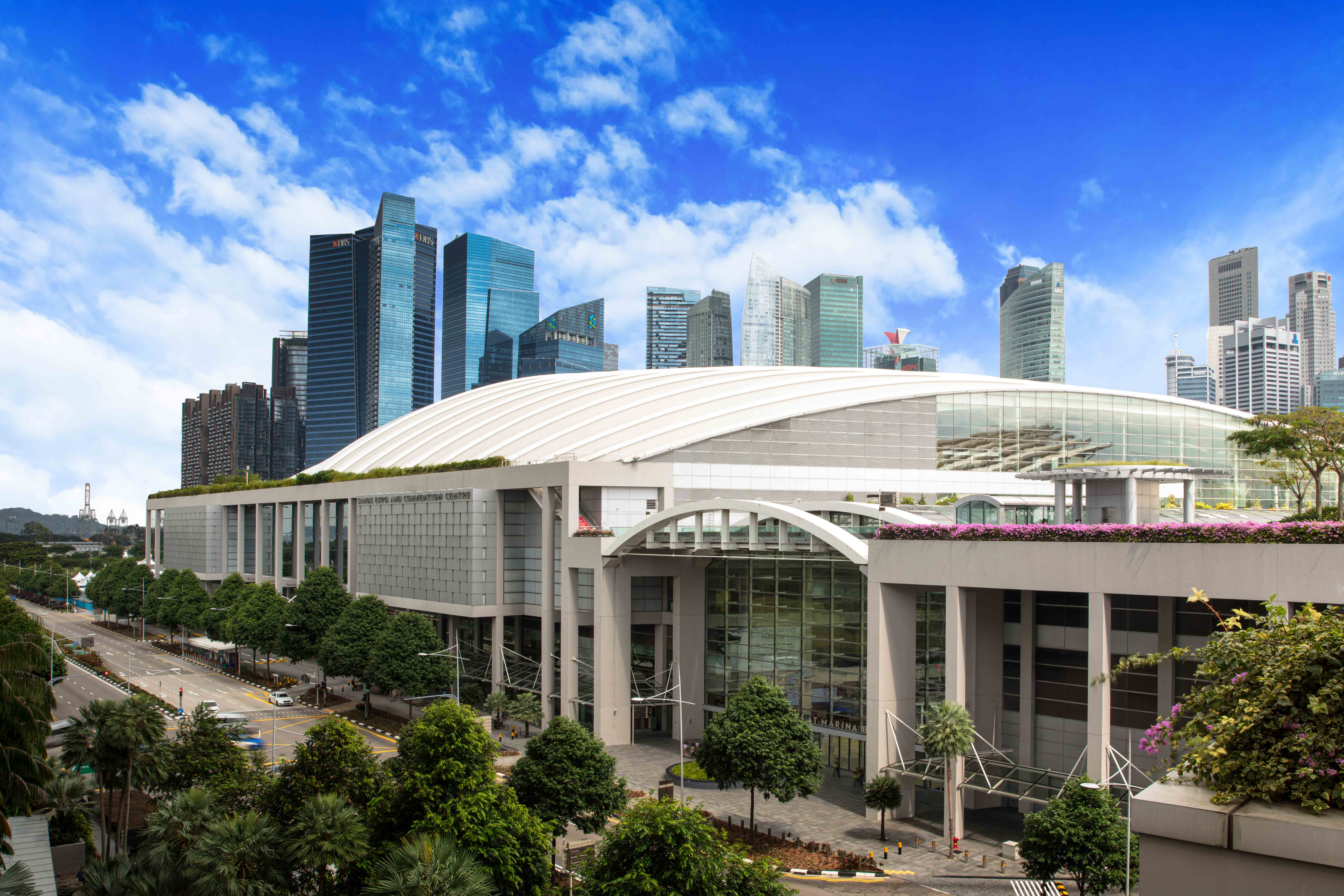
Singapore’s Marina Bay Sands offers a valuable example of how this can be applied in practice.
The integrated resort has embedded sustainability across its operations and the event experience, from infrastructure and event set-up to food sourcing and post-event measurement. Guided by its global sustainability strategy, Sands ECO360, Marina Bay Sands Expo & Convention Centre gives planners options including sustainable menus, waste reduction, sustainable procurement and post-event impact reporting.
It is also closely connected to EIC’s own sustainability work, having held Platinum certification under the EIC Sustainable Event Standards for Venues since 2022 and hosted cohorts of professionals pursuing EIC’s Sustainable Event Professional Certificate (SEPC).
But perhaps the most important lesson for someone thinking about their career is not what Marina Bay Sands has achieved, but how sustainability has become part of everyone’s job.
Sustainability Is a Team Skill
At Marina Bay Sands, sustainability education extends well beyond a single department. The integrated resort uses training, events and immersive learning experiences to build environmental awareness among its team members.
In 2025, Marina Bay Sands introduced an enhanced sustainability course for employees, as well as a dedicated module for new hires that uses practical examples of sustainability practices that are relevant to their everyday roles. The company reported that its workforce of more 12,000 team members had engaged in sustainability activities that year.
That’s an important distinction.
Sustainability is not simply something employees are expected to understand in theory. They need to recognise how it intersects with the decisions they make.
For an event professional, that might mean asking whether materials can be reused rather than discarded. For a chef or F&B team, it might involve understanding responsible sourcing and food waste. Procurement teams may need to evaluate suppliers differently, while operations teams increasingly need to understand energy, water and waste. And planners need to know which questions to ask a venue before an event arrives on-site.
In other words, sustainability is becoming less of a job title and more of a professional competency.
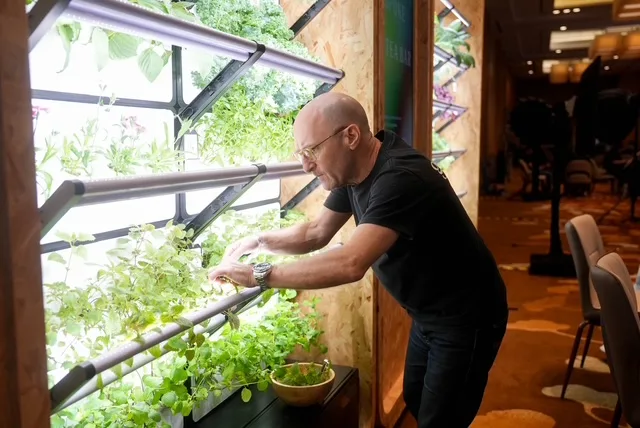
For event planners, this means finding ways to weave sustainability into the delegate experience itself, ensuring it can be seen, experienced and carried beyond the event. At Marina Bay Sands, delegates can participate in interactive experiences such as crafting personalised tea blends using herbs grown through modular hydroponic systems at the Expo & Convention Centre, offering a tangible connection to sustainable food production. The experience has since been adapted to include mocktail and bubble tea variations to broaden its appeal to a wider range of audiences.
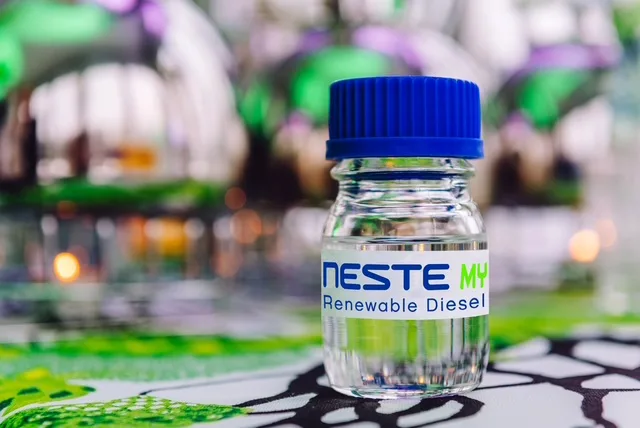
All Marina Bay Sands’ kitchens, from its celebrity chef and signature restaurants to its banquet kitchens and Team Member Dining Rooms, collectively segregate approximately 100,000 litres of used cooking oil annually. The oil is then processed by Neste in Singapore and repurposed as renewable diesel, which Marina Bay Sands procures to power its back-up generators, turning a waste stream into a circular resource.
These examples highlight why sustainability is a team skill. Delivering meaningful outcomes requires a whole-of-organisation approach, where thousands of everyday decisions made across functions collectively contribute to shared environmental goals.
From Good Intentions to Measurable Outcomes
One of the most valuable skills emerging from this shift is the ability to translate a sustainability goal into something that can be implemented and measured.
Consider an objective such as “reduce the environmental impact of our event”.
What does that mean operationally? It might require decisions about energy efficiency, transportation, décor, exhibitions, food and beverage, procurement, communications and waste. Marina Bay Sands’ green meeting guidance addresses all of these areas, providing strategic counsel at every stage of the event lifecycle.
Measurement matters too. Its sustainable meeting programme can provide organisers with post-event reporting covering measures such as energy and water consumption, recycling and carbon emissions.
That changes the role of the event professional. The question is no longer simply, “Did we include sustainable practices?” Increasingly, it is, “What did we accomplish, how do we know and what can we improve next time?”
The Career Opportunity
This evolution comes as the events industry is paying greater attention to the skills its workforce will need in the years ahead.
EIC’s Futures Landscape Study found that 75 percent of respondents consider talent and workforce development very or extremely important to the future of the global business events industry. The research points toward continuous learning, upskilling and new competencies as important considerations for both professionals and organisations.
This is why Marina Bay Sands views continuous learning as a core business strategy. To date, more than 100 Team Members across its MICE and Sales teams have completed the EIC SEPC, equipping them to serve as strategic partners who can expertly guide planners in embedding sustainability and social impact considerations throughout the event planning process.
Sustainability provides a good example of that changing skills landscape.
You do not necessarily need to become a sustainability specialist. But understanding sustainable event practices can make you better at the job you already have, whether you’re beginning your career, moving into management or preparing for greater strategic responsibility.
Five Sustainability Skills to Build Now
- Sustainable sourcing
Learn to ask where products, food and materials come from, how suppliers operate and what alternatives may reduce environmental or social impacts. - Measurement and data literacy
Become comfortable working with information about waste, energy, carbon, water and other event impacts, and translating that data into a story stakeholders can understand. - Circular thinking
Look beyond disposal. Ask whether materials can be eliminated, reduced, reused, repurposed or recovered. - Stakeholder communication
Sustainability frequently requires collaboration among clients, venues, suppliers, exhibitors, attendees and internal teams. Being able to explain both the objective and the practical implications is an increasingly useful skill. - Turning goals into operations
Perhaps most importantly, learn how to take a broad objective, such as reducing waste, lowering emissions, or creating a positive community impact, and translate it into specific decisions throughout the event lifecycle.
Start Where You Are
You do not need “sustainability” in your title to begin building these skills.
Look at the next event you’re working on and choose one element, such as food, transportation, signage, sourcing, waste or measurement. Ask how it could be approached differently. Talk with your venue and supplier partners. Learn which metrics are available. Find out what happens to materials after the event ends.
Then keep building.
Professional development programmes such as EIC’s Sustainable Event Professional Certificate (SEPC) can help professionals develop a more structured understanding of sustainable event principles, while the EIC Sustainable Event Standards provide a framework for seeing how those principles translate into real-world events and supplier practices.
The experience of organisations such as Marina Bay Sands demonstrates something important for anyone building a career in events:
Sustainability is not only about delivering better events. Learning how to deliver those events can make you a more capable event professional.