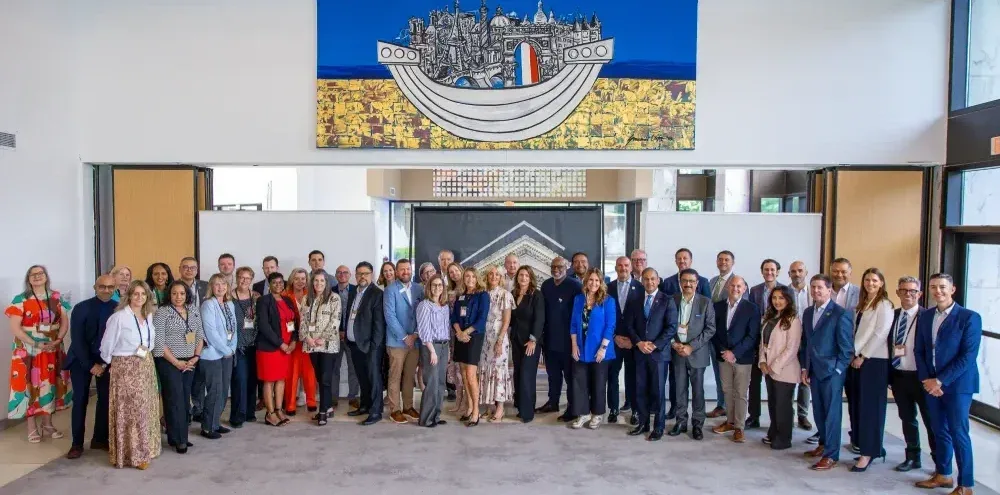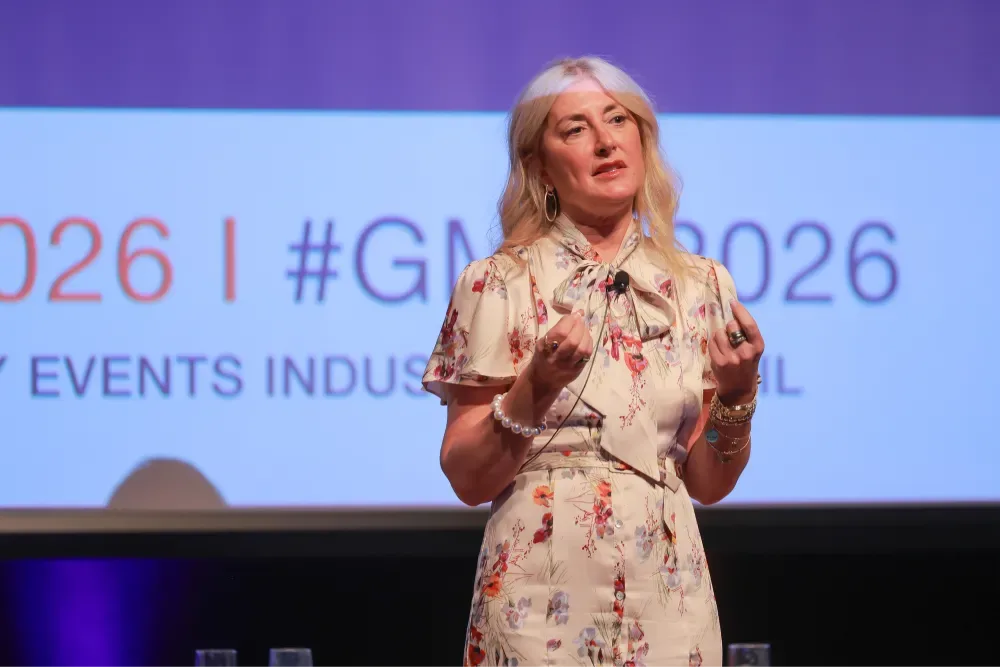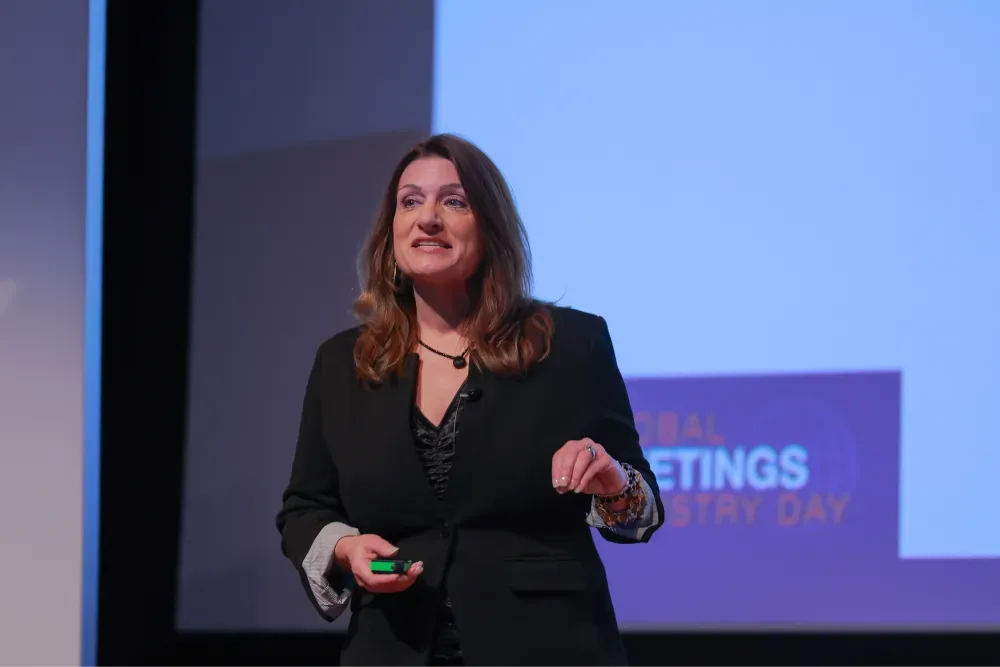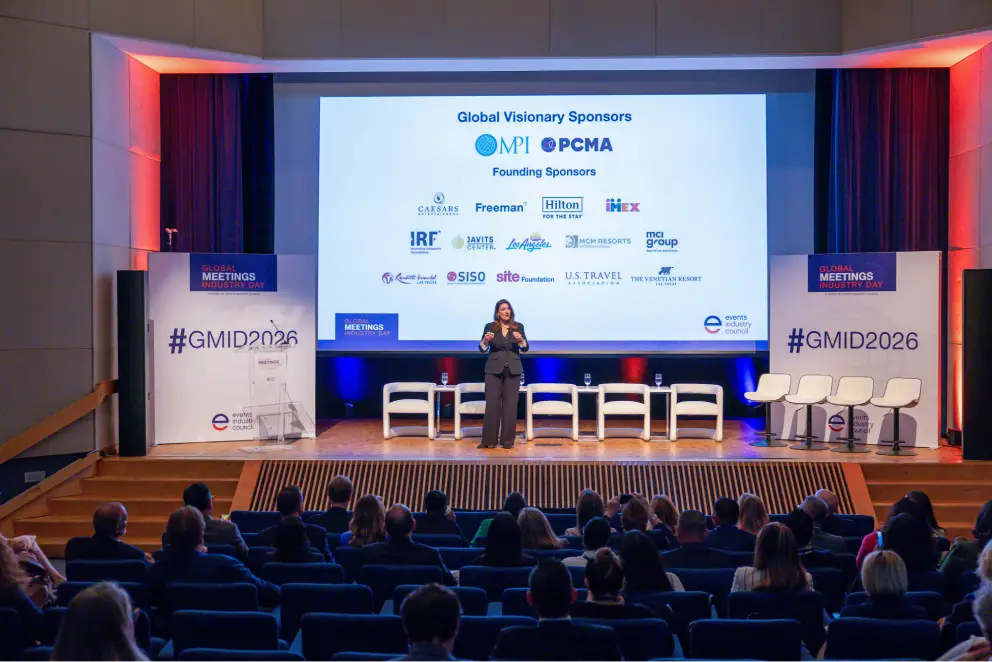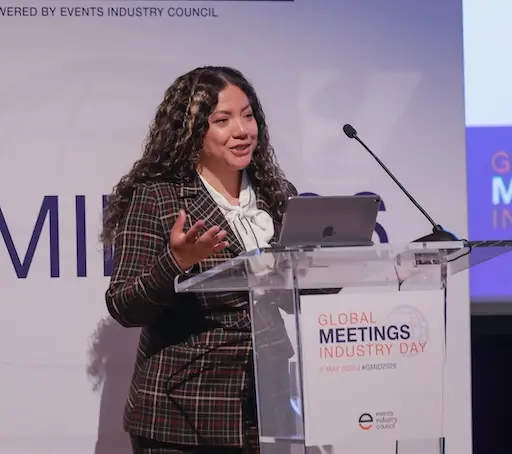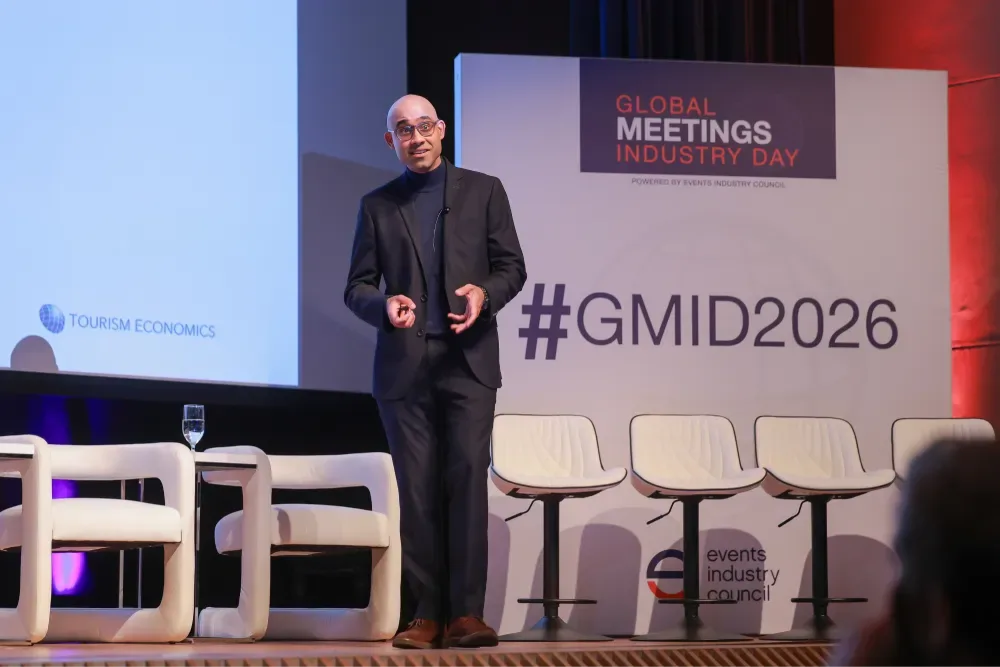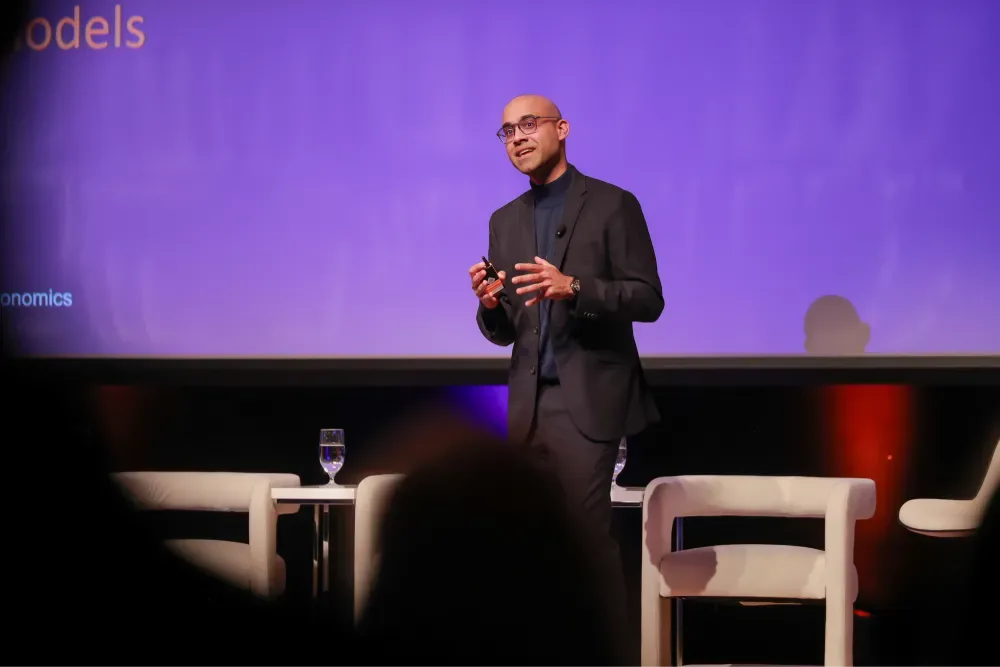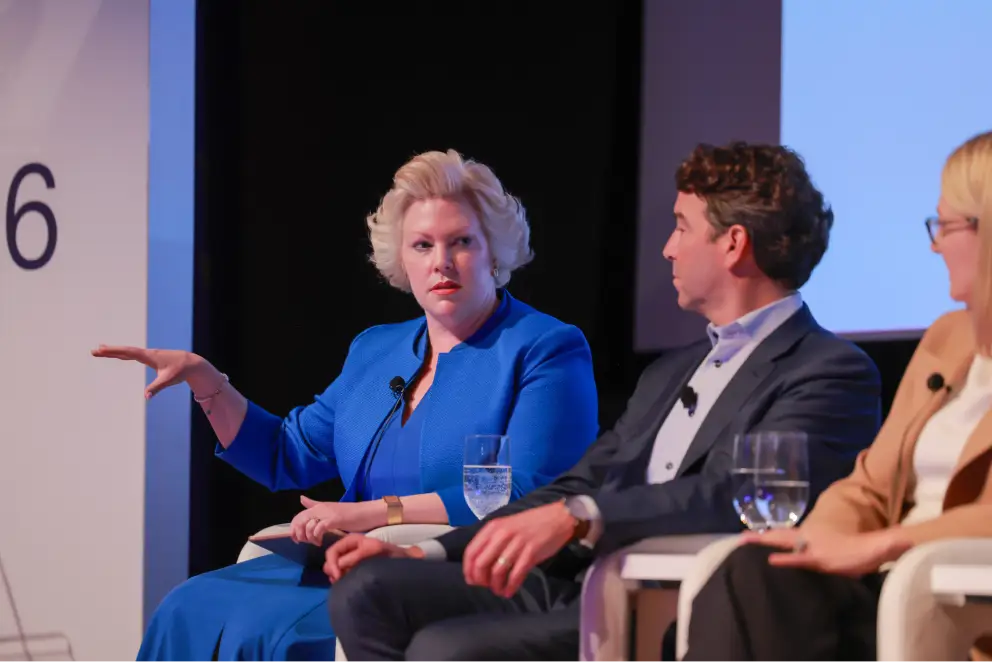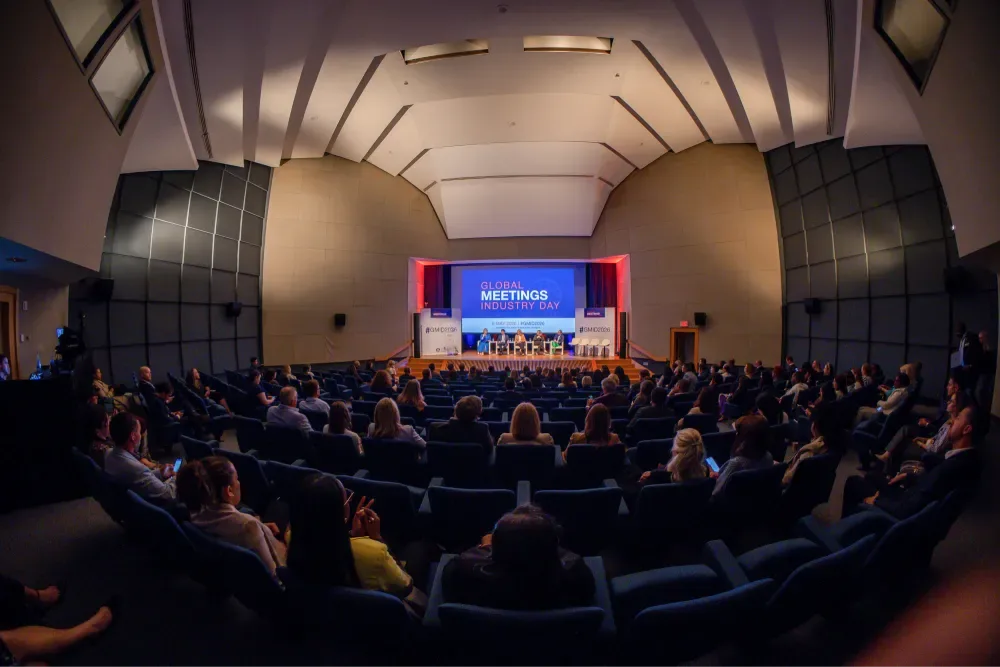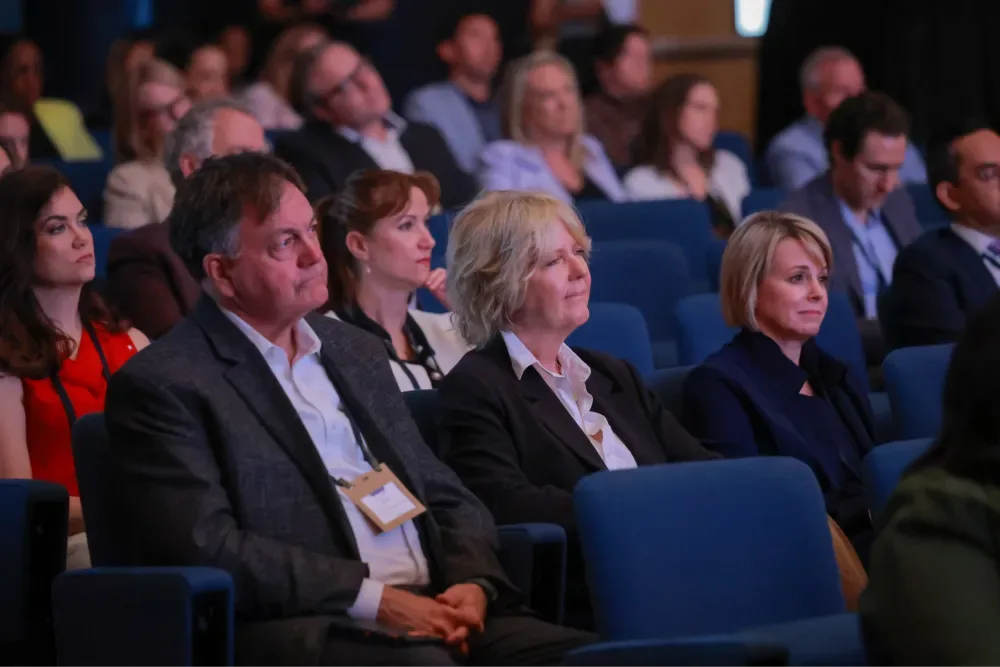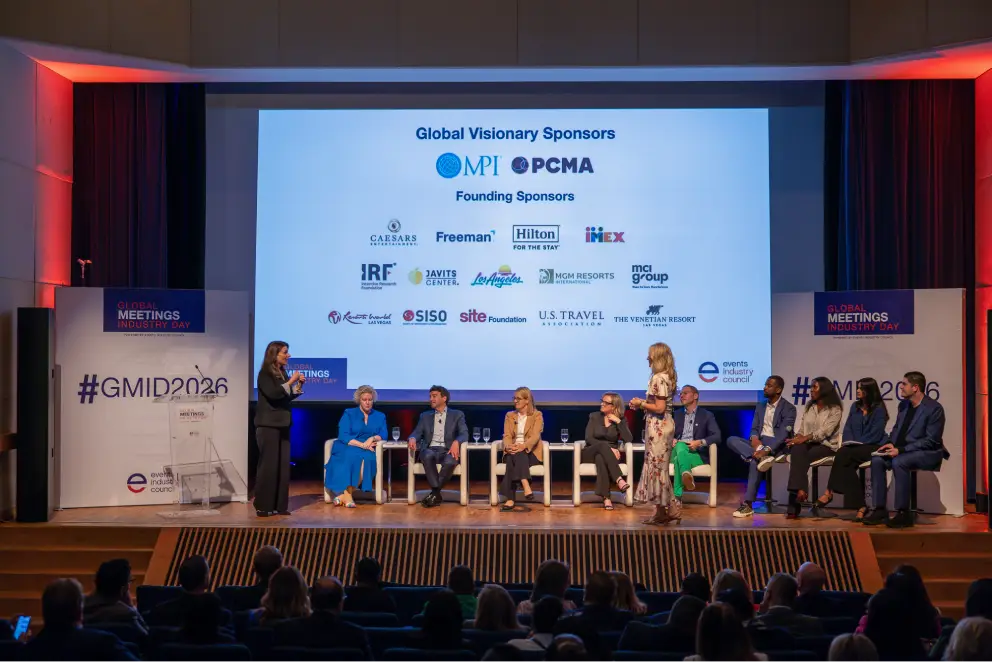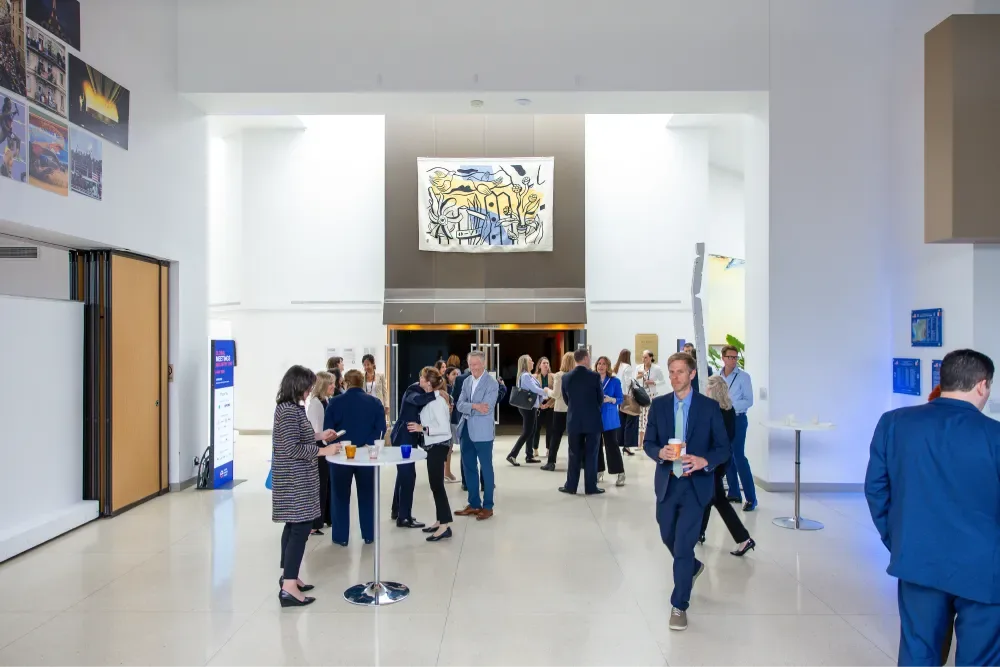
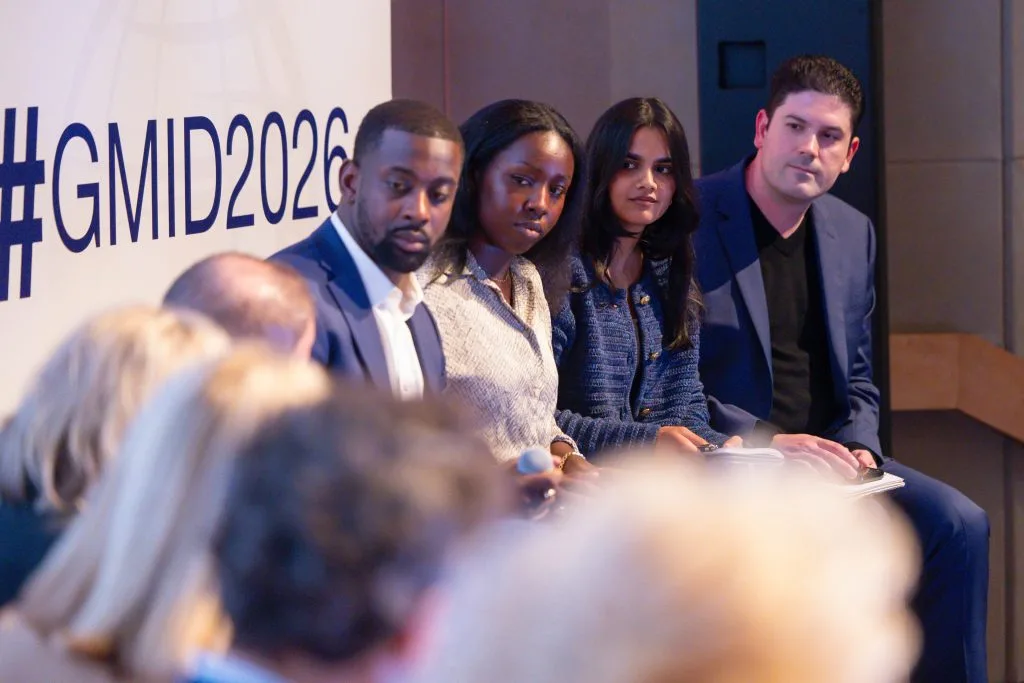
 The future of the global business events industry took centre stage at the Events Industry Council’s Global Meetings Industry Day programme, held at La Maison Française at the Embassy of France in Washington, D.C., where students, emerging leaders and senior executives came together for a candid conversation about talent, technology, advocacy and the evolving purpose of events.
Attended by EIC Board and Council members, Certified Meeting Professionals (CMPs), students and leaders from across the business events ecosystem, the Washington, D.C. gathering was one of many GMID activations taking place around the world. Together, they underscored a shared message: business events drive economies, strengthen communities, advance innovation and create pathways for the next generation of talent.
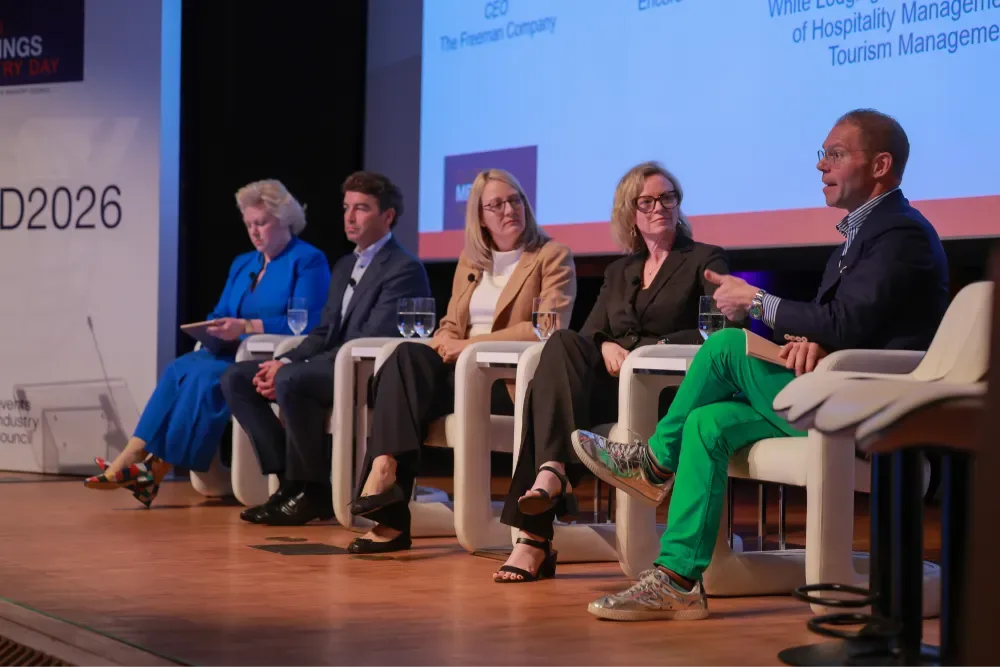
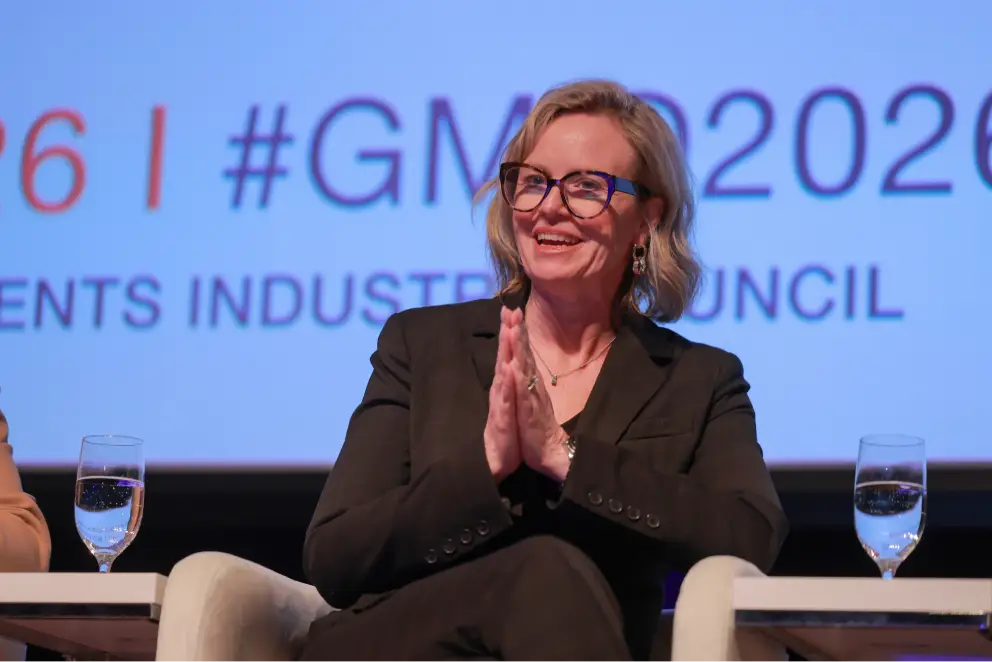
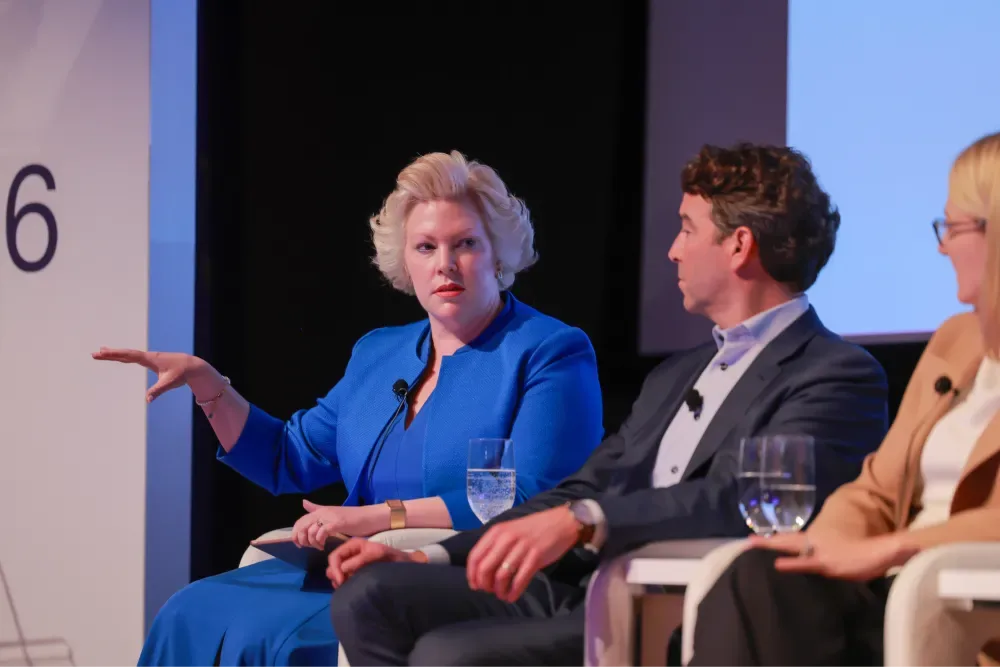
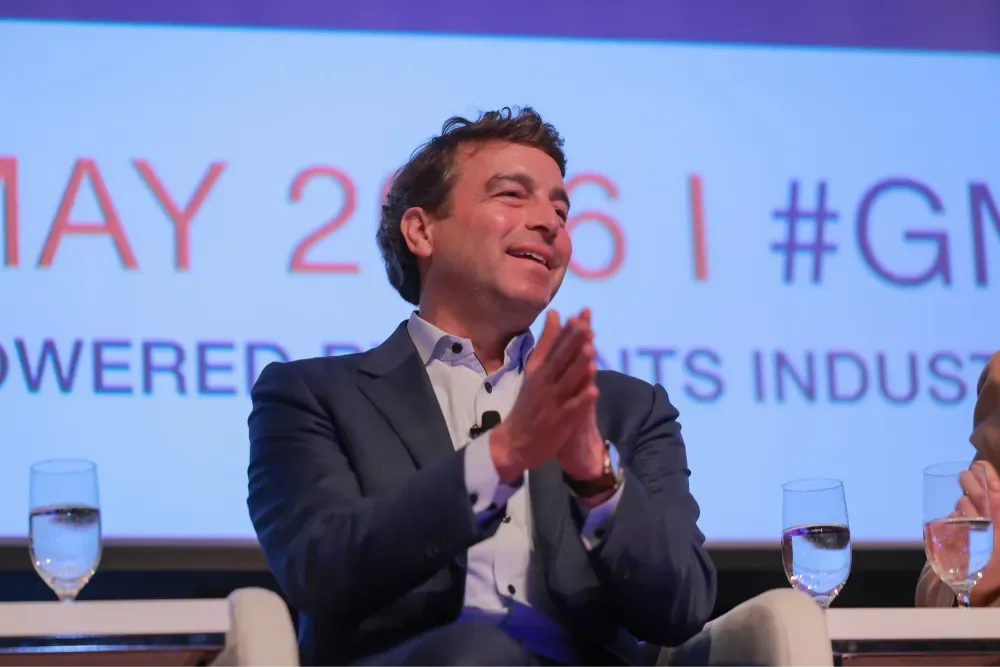
A defining moment of the programme came during an industry leadership panel moderated by futurist and urbanist Greg Lindsay, featuring Amanda Cecil, Ph.D., CMP Fellow; Janet Dell, CEO of Freeman; Ben Erwin, President and CEO of Encore; and Natasha Richards, Director of Impact and Industry Relations at IMEX. The conversation focused on workforce development, culture, technology, sustainability, destination strategy and how the industry can better welcome and retain emerging talent.
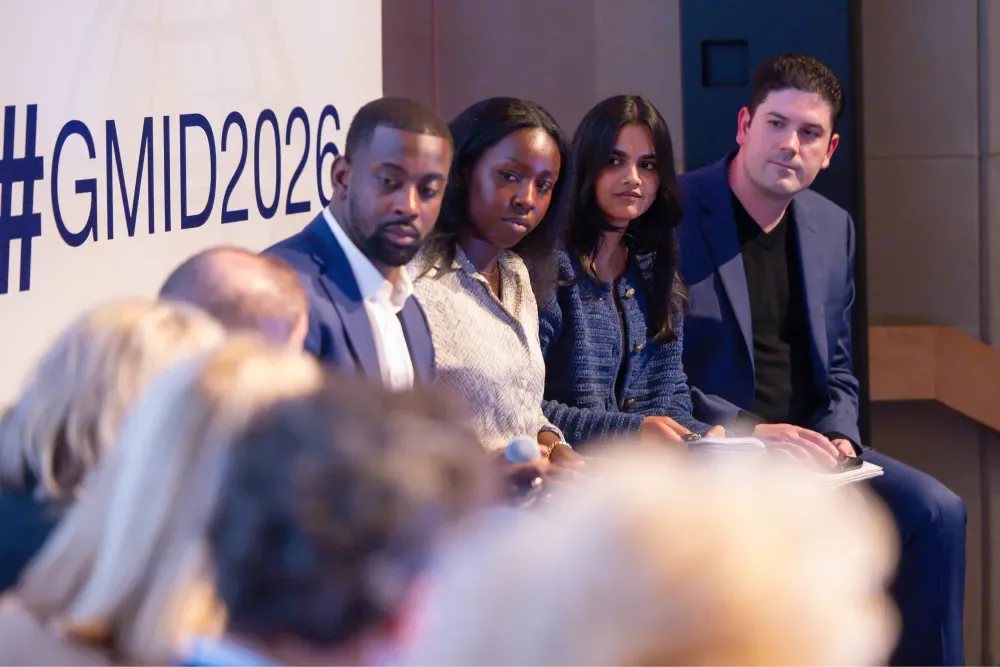
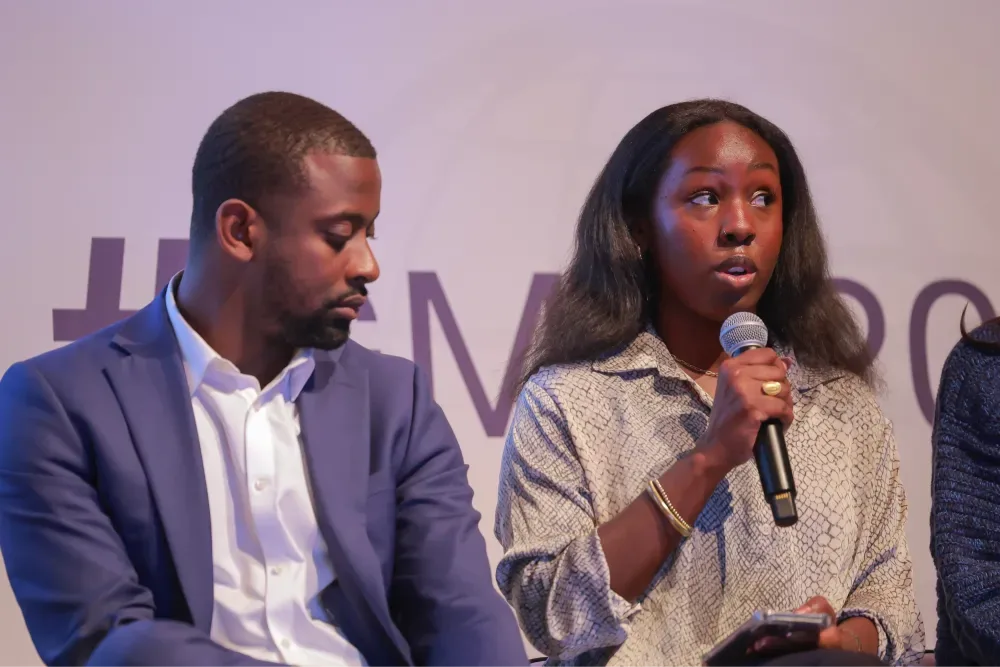
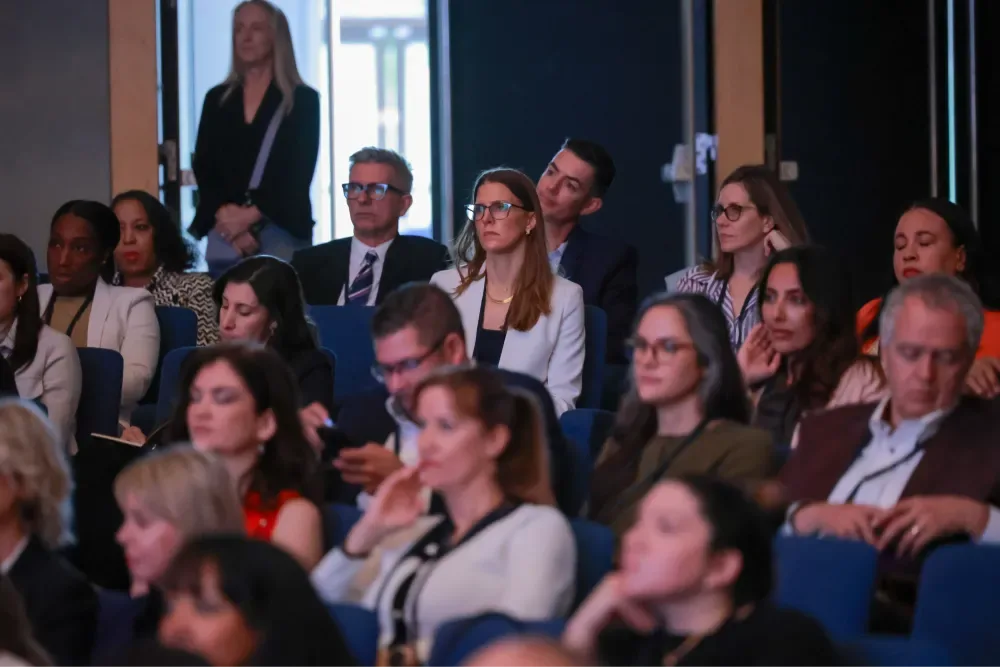
Students from Howard University and George Washington University then joined the discussion, asking thoughtful questions about artificial intelligence, emerging markets, destination investment, workforce skills and how the industry can better communicate its impact to policymakers and investors. Their participation brought the purpose of GMID into sharp focus: the industry’s future will depend not only on data and advocacy, but also on the perspectives, expectations and leadership of the next generation.
For Amy Calvert, President and CEO of EIC, that connection between industry advocacy and future workforce development was central to the day.
“One of the most important audiences in this work is students,” Calvert said. “Listening to their perceptions of our sector and inviting them into the conversation is an inspirational way for us to think about what happens next.”
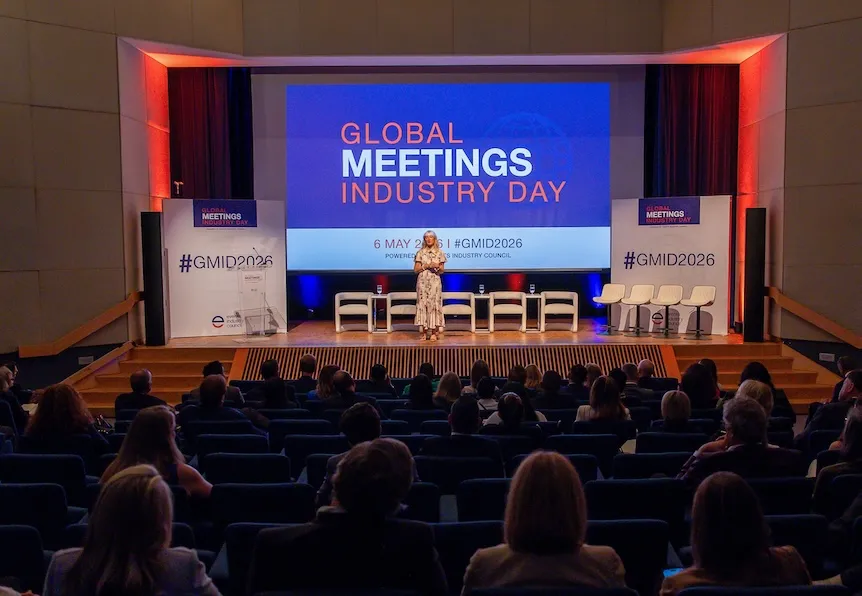
Opening the programme, Calvert reflected on the collective responsibility of the industry to better articulate its value to audiences beyond the sector. She noted that GMID is both a celebration and a call to action — an opportunity to move from speaking primarily to one another to engaging policymakers, students, business leaders and communities with a clearer story of purpose and impact.
“We have such an amazing story to tell in the world that we are living in,” Calvert said. “Business events drive tremendous economic impact, but this industry also has the opportunity to be transformational for our society. We foster important conversations, create connections, build trust and ensure that our organisations are well positioned to move forward on that strong foundation.”
Stephanie Harris, President of the Incentive Research Foundation and Chair of the EIC Board of Directors, officially opened the programme by recognising EIC members, partners, sponsors, volunteers and staff. Harris underscored the importance of collective voice, particularly as the industry seeks to reach new audiences and strengthen its advocacy.
“EIC by design is a collective, and our strength comes from the breadth of our members and the total representation in this room,” Harris said. “Advocacy doesn’t happen through one organisation alone. It happens through our collective voices, and each of us has a role to play in amplifying that voice.”
Harris also welcomed the students and emerging leaders in attendance, noting that many current industry professionals “fell into” the sector, while the next generation is making a more intentional choice to be part of it.
“Your voices and your perspectives are vital to the future,” Harris said. “Thank you for choosing to be here.”
That future-focused conversation continued throughout the leadership panel. Cecil, speaking from the academic perspective, said the industry must rethink how it recruits, welcomes and retains young professionals.
“We need to approach work differently and welcome the next generation differently than we have been doing,” Cecil said. “I am very excited about what they are going to bring — great ideas, thoughtful innovation and meaningful work.”
Cecil also emphasised the importance of work-life balance, authenticity and culture in attracting top talent. Today’s students, she said, are evaluating employers as much as employers are evaluating them, and they are looking for organisations that can offer meaningful work, fair compensation and a healthy quality of life.
Dell highlighted the realities of a five-generation workforce and the need for companies to listen more intentionally across generations. She noted that attendee demographics have also shifted significantly since the pandemic, requiring organisations to build teams that better reflect the audiences they serve.

“In order to really meet your audience where they are, you need to have a diverse workforce that understands all the different constituencies you are trying to serve,” Dell said.
Erwin pointed to purpose as one of the industry’s greatest advantages in attracting younger talent. He said the fundamental role of events — bringing people together to make organisations, communities and industries better — aligns strongly with what many emerging professionals are seeking in their careers.
“The very nature of what we do is to make things better, however an organisation or community defines that,” Erwin said. “Younger workers can find in events a purpose they can get behind.”
Richards echoed that optimism, while also challenging the industry to more clearly explain what it offers.
“We have to get better at articulating why we matter,” Richards said. “Industries that cannot explain why they matter, how you get in and where you can go are going to be overlooked.”
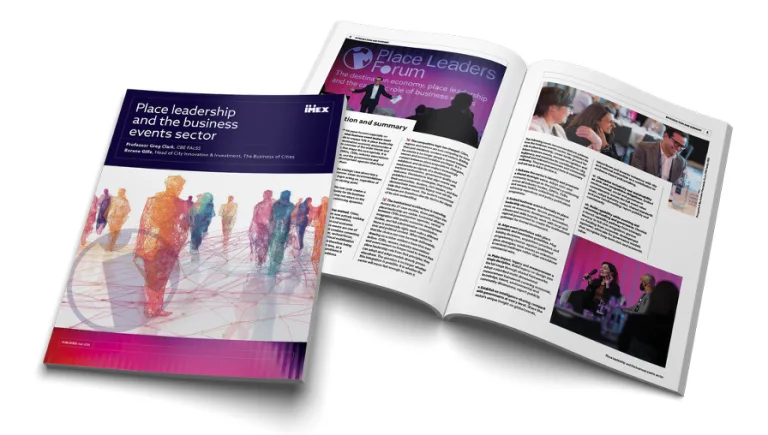
Richards also referenced IMEX’s Future Leaders Forum as one example of how the industry can help students understand the breadth of career pathways available, from event design and destination strategy to production, sustainability, technology and convention centre leadership.
The student questions that followed reflected the same breadth. Participants asked how artificial intelligence might help or hinder the events industry; how cities can view events as long-term tools for economic development rather than short-term tourism boosts; what skills universities should be teaching now; how events can become more experience-driven and personalised; and whether the industry is doing enough to invest in emerging markets, particularly in the Global South.
Their questions connected directly to several of the broader themes raised earlier in the programme: the need for stronger advocacy, more accessible career pathways, more inclusive global participation and better measurement of both economic and societal impact.
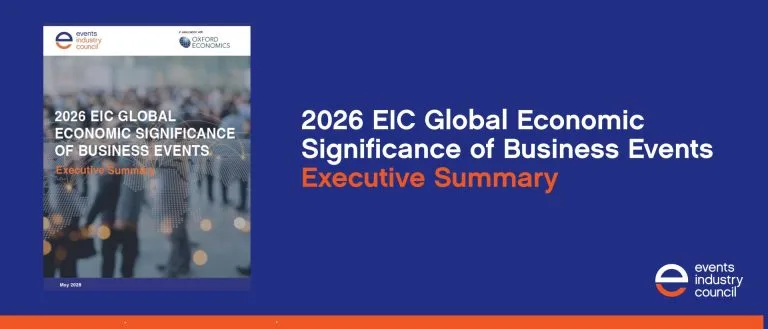
Those themes were also reinforced through a preview of the 2026 Global Economic Significance of Business Events Study, developed by EIC in partnership with Oxford Economics. Tariq Khan of Oxford Economics presented preliminary findings that place the industry’s workforce and economic impact in a broader global context.
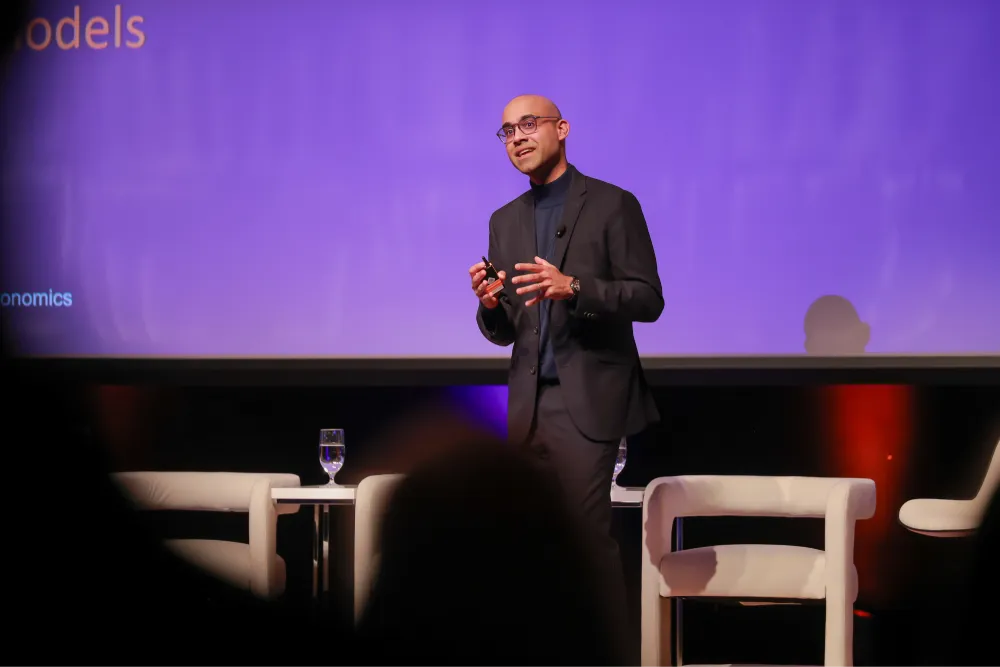 According to the early findings shared during the programme, 1.65 billion participants attended business events globally in 2025, generating $1.3 trillion USD in direct business sales. When indirect and induced impacts are included, business events supported $3.1 trillion in total business sales, $1.8 trillion in GDP and 24.2 million jobs globally.
Khan also highlighted the catalytic value of events beyond their direct economic contribution, including relationship-building, knowledge transfer, business development, innovation, destination visibility and long-term community benefit.
“Whether we are quantifying total industry scale, tracking performance or examining deeper catalytic impacts, rigorous research is required to provide essential data for effective decision-making,” Khan said. “Business events are integral to the global economy and are undeniable drivers of corporate profitability and economic development.”
Global Visionary Sponsors PCMA and MPI were represented by Sherrif Karamat, President and CEO of PCMA and CEMA, and Paul Van Deventer, President and CEO of MPI, who spoke jointly about the importance of sustained industry investment in research.
Karamat recalled that the industry’s commitment to economic impact research deepened during a previous period of crisis, when associations and industry partners came together to better tell the sector’s story. He urged the industry to support research on an ongoing basis rather than waiting for the next disruption.
“We need your commitment to supporting EIC on this journey for research on an ongoing basis,” Karamat said. “We should not be waiting for the next crisis to happen before we have the information we need to be effective in our roles.”
Van Deventer reflected on the origins of GMID, which grew from National Industry Day efforts in Canada into a broader North American and then global movement. He said the purpose remains clear: to celebrate the industry and, more importantly, tell its story to future talent, policymakers, investors and communities.
“The data we gather through the Economic Significance Study and other research enables us to advocate for the value of the industry,” Van Deventer said. “It also helps us tell the story of this industry as an opportunity for the workforce of the future.”
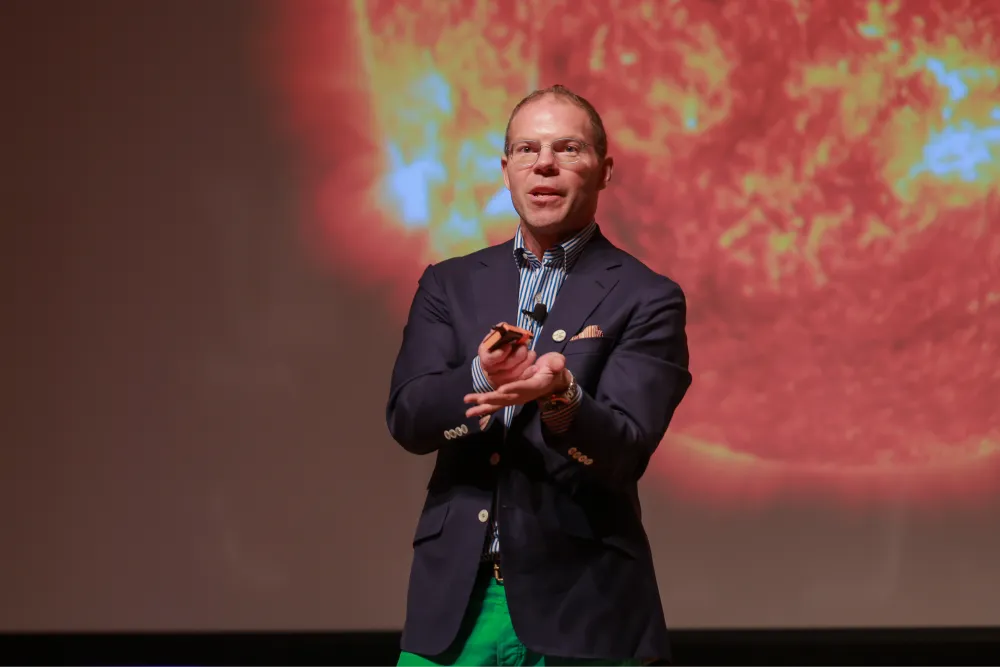 Lindsay’s keynote further expanded the conversation by exploring connection, cities, technology and the future of gathering. He described events as “social reactors” — environments where networks are compressed in time and place, creating the conditions for ideas, trust and serendipity. In an era shaped by artificial intelligence and rapid technological change, Lindsay challenged the industry to consider how data and technology can enhance, rather than replace, human connection.
In closing, Calvert thanked the speakers, panellists, students, members, partners and research funders, and pointed to the next phase of EIC’s work: expanding the economic impact research into a broader legacy framework that can help capture the lasting value business events create for cities, countries and communities.
“That work allows us to capture the hearts and minds of policymakers, students and the next generation,” Calvert said. “That is really the work we need to do, and that is our priority right now.”
As GMID events continued around the world, the Washington, D.C. programme served as both a celebration and a charge: to invest in future talent, use research to strengthen advocacy and tell a clearer, stronger story about the transformational value of business events — locally, nationally and globally.
View the Global Economic Significance of Business Events Study Executive Summary
Explore Sponsorship Opportunities
View GMID and Advocacy Toolkit